
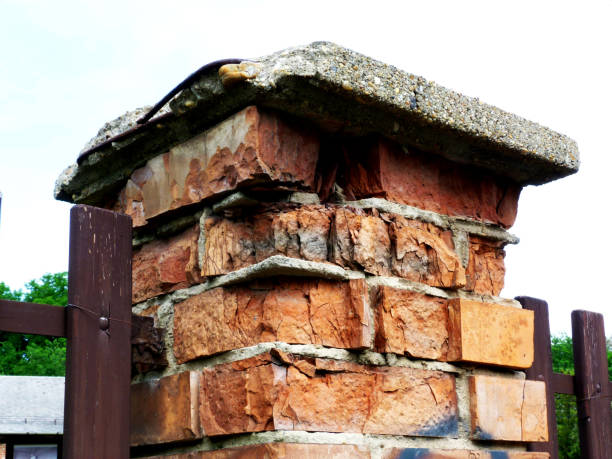
If you manage a property or own a local business in the United States, taking care of your chimney may not seem like a big deal until a serious issue appears. A chimney is not just a stack of bricks; it plays a major role in keeping your building safe and efficient. When the masonry starts breaking down, it can lead to water leaks, smoke problems, or even safety risks that cost a lot to fix.
This guide will help you understand the most common chimney masonry problems found during inspections, what they mean, and how to handle them before they become expensive repairs.
Why Chimney Masonry Is So Important
The masonry part of your chimney protects your building from heat, smoke, and water. It keeps the structure strong and prevents fire or moisture from spreading into your property. When cracks, loose bricks, or worn mortar start showing up, it can lead to serious trouble for your building and business.
A small crack or missing brick may not seem like much at first, but over time it can cause structural weakness or leaks that spread into walls and ceilings. Fixing small problems quickly is much cheaper than rebuilding a damaged chimney later.
What an Inspection Usually Covers
When a professional technician checks your chimney, they look at several areas carefully. An inspection often includes:
• Checking the interior flue and chimney liner to see if they are cracked or blocked
• Examining the outer bricks and mortar joints for any damage or loose sections
• Looking for signs of water damage or moisture buildup inside or outside the chimney
• Checking for movement, tilting, or separation from nearby walls
• Reviewing the chimney cap, crown, and flashing to ensure no leaks or gaps are present
• Recommending chimney waterproofing services if moisture is found
These steps help the inspector find both visible and hidden problems that could get worse if ignored.
Cracked or Weak Mortar Joints
This is one of the most common issues seen during chimney inspections. The mortar is what holds the bricks together, and over time it starts to wear away.
Why this happens
Mortar can break down from harsh weather, age, or poor construction. Rainwater can seep into tiny gaps, freeze, and make the cracks bigger every year.
What you might notice
You may see loose or missing mortar, bricks that move slightly when touched, or white powdery marks called efflorescence. These signs show that moisture is already affecting the masonry.
How it affects you
If the mortar joints weaken, water and cold air can get inside. That leads to interior wall damage, leaks, or even chimney collapse if left for years.
What you can do
Ask your contractor about repointing, which means removing the old mortar and applying new material. If large areas are damaged, they might recommend a full brick chimney repair to restore strength.
Damaged or Flaking Bricks
Sometimes, the problem isn’t the mortar but the bricks themselves. Bricks that start to chip, peel, or crumble are called spalling bricks.
Why this happens
Water and freezing temperatures are the usual reasons. Poor-quality bricks or those not suited for outdoor weather can also weaken faster.
How you can tell
You might see small pieces of brick on the ground or notice areas where the brick surface is peeling away. Some bricks may even look hollow or cracked.
Why this matters
Spalling can lead to gaps that let water and smoke pass through. It weakens the chimney’s outer layer and makes it unsafe, especially during high winds or heavy rain.
Repair advice
Replace the damaged bricks with ones that match your existing structure. Make sure to fix any leaks near the crown or flashing first so the new bricks last longer. It is also a good idea to add chimney waterproofing services afterward to stop water from entering again.
Cracks or Openings in the Crown and Cap
The top part of your chimney, called the crown or cap, keeps water out. It often develops cracks or holes that let rain and snow in.
Why it breaks
The crown is exposed to sun, wind, and freezing temperatures year-round. Over time, this causes small cracks that expand when moisture freezes inside them.
What you’ll notice
You may see small holes, stains under the cap, or missing metal covers. Sometimes birds or debris can even get inside if the cap is gone.
What can happen
Once water enters through the crown, it can travel down inside the chimney and cause widespread damage. It can also rust the damper or stain interior walls.
What to do next
Have a professional repair any cracks and install a durable cap that fits tightly. A new waterproof coating can also protect the crown from further damage.
Chimney Leaning or Tilting
If your chimney appears slightly slanted, that’s not something to ignore. Leaning usually means there’s a problem with the foundation or the bricks are shifting.
Common causes
The ground beneath the chimney may have settled unevenly, or the structure may have loosened from the roof over time. High winds or storms can also push the chimney off balance.
What you’ll see
The chimney might look tilted or separated from the side of the building. Cracks may appear at the base or along the roofline.
Why this matters
A leaning chimney can collapse, especially during bad weather. It can also damage nearby walls or roofs and lead to major safety issues.
How to fix it
A structural engineer can assess the problem. Depending on how severe it is, they might brace the chimney, rebuild the leaning part, or replace it completely.
Moisture and Water Damage
Water is the main reason chimneys deteriorate. When moisture gets in through cracks or missing caps, it damages both the inside and outside masonry.
Where water comes from
Leaky caps, missing flashing, or open mortar joints are the most common entry points. Condensation from hot flue gases can also cause dampness inside the chimney.
What you’ll notice
White stains on bricks, soft mortar, rust marks, or damp spots on the walls next to the chimney. These signs mean water has already entered and needs attention.
Why this is serious
Moisture can break down bricks, loosen mortar, and even lead to mold inside the building. It also shortens the life of your chimney by several years.
What you can do
Professional chimney masonry repair should include chimney waterproofing services that seal the bricks and joints. Regular inspections can also catch leaks early before they spread.
Problems with the Flue Liner
The flue liner inside the chimney carries smoke and gases out of the building. If it is cracked or missing, the entire system becomes unsafe.
Why liners fail
Age, excessive heat, or chemical buildup from fuel can cause the liner to crack. Sometimes the wrong type of liner was installed for the heating system.
Signs of trouble
Smoke escaping into the building, pieces of broken tile inside the flue, or strong odors are all signs the liner is damaged.
Why this matters
A broken liner can allow heat and gases to leak into the walls, creating a fire hazard. It can also make your heating system work harder and cost more to run.
Repair ideas
Installing a new liner is the safest fix. A stainless steel or ceramic liner lasts longer and improves performance. Always ask your contractor to check both the liner and the outer masonry together.
What to Ask Before Hiring a Chimney Masonry Contractor
When you hire someone for chimney masonry repair, make sure you ask these important questions:
• Do you inspect the entire chimney system or just one section?
• Can you provide a full written report of the damage and work needed?
• What materials and mortar mix do you use for repairs?
• Does your service include waterproofing to stop future leaks?
• How will you keep the work area safe and minimize disruption?
• Do you offer a warranty on your repairs?
A reliable contractor will be transparent, use quality materials, and explain every step clearly before starting work.
How to Maintain Your Chimney All Year
Even after repairs, chimneys need routine care. Here are a few things you can do to prevent new problems:
• Schedule a professional inspection at least once a year
• Check the chimney cap and crown regularly for cracks or rust
• Clear away any nests, leaves, or debris from the opening
• Keep an eye out for new cracks or stains
• Make sure the roof flashing around the chimney stays sealed
• Apply a breathable waterproof coating if recommended by your technician
These simple steps can save you thousands of dollars in future repairs and extend the life of your chimney.
Conclusion
Keeping your chimney in good shape protects your property and saves you from big repair costs later. Whether the problem is a small crack, a leaning stack, or missing mortar, regular inspection makes all the difference.
If you notice any of the issues mentioned above, reach out to Diamond Touch Masonry. They provide expert chimney repair service for both homes and businesses. Their team also offers chimney waterproofing services and full brick chimney repair to keep your system strong and safe. With professional care, you can ensure your chimney stays durable and trouble-free for years to come.
Frequently Asked Questions
1. How often should a commercial or residential chimney be inspected?
At least once a year is recommended. If you use your heating system heavily or live in an area with harsh weather, twice a year is even better.
2. What is the difference between repointing and rebuilding a chimney?
Repointing means replacing the old mortar between bricks. Rebuilding involves replacing whole sections of damaged brickwork or the entire chimney if needed.
3. Can chimney repair be done while my business is open?
Yes. Most professional contractors schedule the work around your operating hours and take safety steps to keep dust and noise under control.
4. Why are chimney waterproofing services important?
Waterproofing prevents rain and moisture from soaking into the bricks and mortar. It helps protect your chimney from future damage and extends its life.
5. Can I fix small cracks in my chimney by myself?
It’s better to avoid DIY chimney repairs. Using the wrong materials or missing hidden damage can make the problem worse. Always hire a trained masonry expert.