
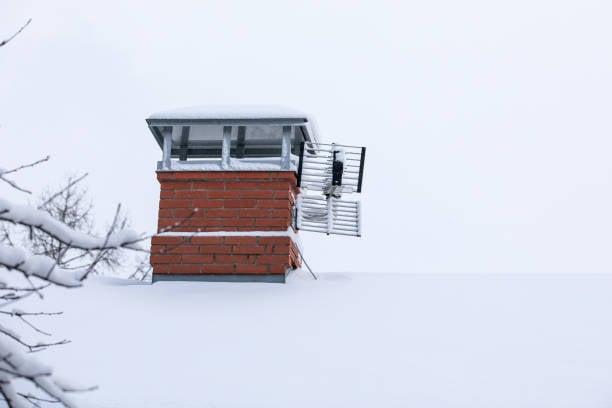
Winter in the United States is a time for cozy fireplaces and warm homes. But if your chimney is not ready, cold weather and snow can cause serious problems. A chimney that is fine in the fall can start to show damage once snow, ice, and freezing temperatures arrive. In this guide, we will cover the essential winter chimney masonry repairs you should do before the first snow covers your home.
This guide is written for small to medium-sized business owners, property managers, local business owners, and anyone responsible for maintaining a property. The tips apply across the United States, including Mashpee.
Why Checking Your Chimney Before Winter Is Important
Before discussing repairs, it is important to understand why early action matters.
Chimney masonry faces constant exposure to weather, such as moisture from rain and snow, freezing and thawing cycles, and wind-driven water. Water is the biggest enemy of a chimney. When it seeps into cracks and freezes, it expands, which can widen cracks and loosen bricks. Ignoring this damage can lead to expensive repairs and safety issues.
The good news is that timely chimney masonry repair before winter can save money, improve safety, and increase the life of your chimney.
Key Inspections to Do Before Snow
Professional Chimney Inspection
A certified chimney technician can identify hidden problems that you might miss. They will check the flue liner for cracks, inspect for loose or missing bricks, evaluate the mortar condition, and ensure the chimney is structurally sound. An annual inspection, especially before winter, is one of the best ways to avoid major repairs.
Chimney Cleaning
Creosote is a black, flammable substance that builds up inside the chimney when you burn wood. It can cause fires and reduce airflow. A professional chimney sweep removes this buildup, which keeps your fireplace safer and more efficient. Cleaning should be done at least once a year, ideally before heavy winter use.
Repair Cracks and Loose Mortar
Even small cracks in bricks or mortar can cause big problems because water can enter and freeze inside. Over time, this will expand and cause more damage. Brick and chimney repair, especially tuckpointing, helps restore the strength of your chimney. A professional removes loose mortar and replaces it with new material that seals the chimney, keeping it durable for years.
Chimney Cap Inspection
A chimney cap is an important feature that protects your chimney from rain, snow, and animals. It also keeps debris out and reduces moisture inside the chimney. If you already have a chimney cap, check for rust or damage. If you don’t have one, installing it can prevent many future problems.
Flashing and Crown Repair
The flashing is the metal around the base of the chimney where it meets the roof. The crown is the concrete top of the chimney that directs water away. Damaged flashing can cause roof leaks, and a cracked crown allows moisture to seep inside the chimney. Fixing these issues before winter is much easier than waiting until snow and ice arrive.
Waterproofing Chimney
Once repairs are complete, applying a breathable sealant to the outside of the chimney is very important. This process, known as waterproofing the chimney, prevents moisture from entering the masonry while allowing trapped water vapor to escape. Only breathable sealants should be used to avoid trapping moisture, which can cause more damage during freezing conditions.
Damper Check
The damper controls airflow in your chimney. Make sure it opens and closes smoothly. If it sticks, it should be repaired or replaced. A working damper keeps warm air inside your home and prevents cold drafts when the fireplace is not in use.
Safety Benefits of Winter Chimney Repairs
Chimney maintenance is often overlooked until problems become expensive. Regular repairs and inspections help improve fireplace efficiency, reduce fire risk, prevent carbon monoxide buildup, and extend the life of your chimney. Taking action before winter ensures your chimney works safely and efficiently all season long.
Checklist of Winter Chimney Masonry Repairs
Here are the most important steps to prepare your chimney for winter:
- Schedule a professional chimney inspection
- Have the chimney cleaned by a certified sweep
- Repair cracks and loose mortar through tuckpointing
- Inspect and install or repair the chimney cap
- Check flashing and chimney crown for damage
- Apply waterproofing chimney sealant
- Test the damper to ensure it opens and closes smoothly
Completing these steps will protect your home and reduce the risk of costly winter damage.
Conclusion
Are you confident your chimney is ready for snow, ice, and freezing temperatures? Winter chimney masonry repairs are not optional. Taking steps now will protect your property, safety, and comfort during the cold months. From professional inspections to brick and chimney repair and waterproofing, acting early reduces emergencies and saves money.
For help with any of these repairs, Diamond Touch Masonry provides expert care, including reliable chimney waterproofing services to protect your home all winter.
FAQs About Winter Chimney Repairs
How soon should I schedule chimney repairs before the snow?
Late fall or early autumn is the best time to schedule repairs. Materials such as mortar and sealants cure better in mild weather, giving long-lasting results.
Can I repair my chimney during winter?
Emergency repairs can be done, but major structural repairs are best performed in warmer months when conditions are suitable for proper curing.
What happens if I ignore chimney problems?
Ignoring small issues can lead to structural failure, water damage inside the home, fire hazards, and higher repair costs.
Do all chimneys need sealants?
Yes, especially in areas with freezing temperatures. Proper sealants help prevent water damage and keep your chimney strong.