
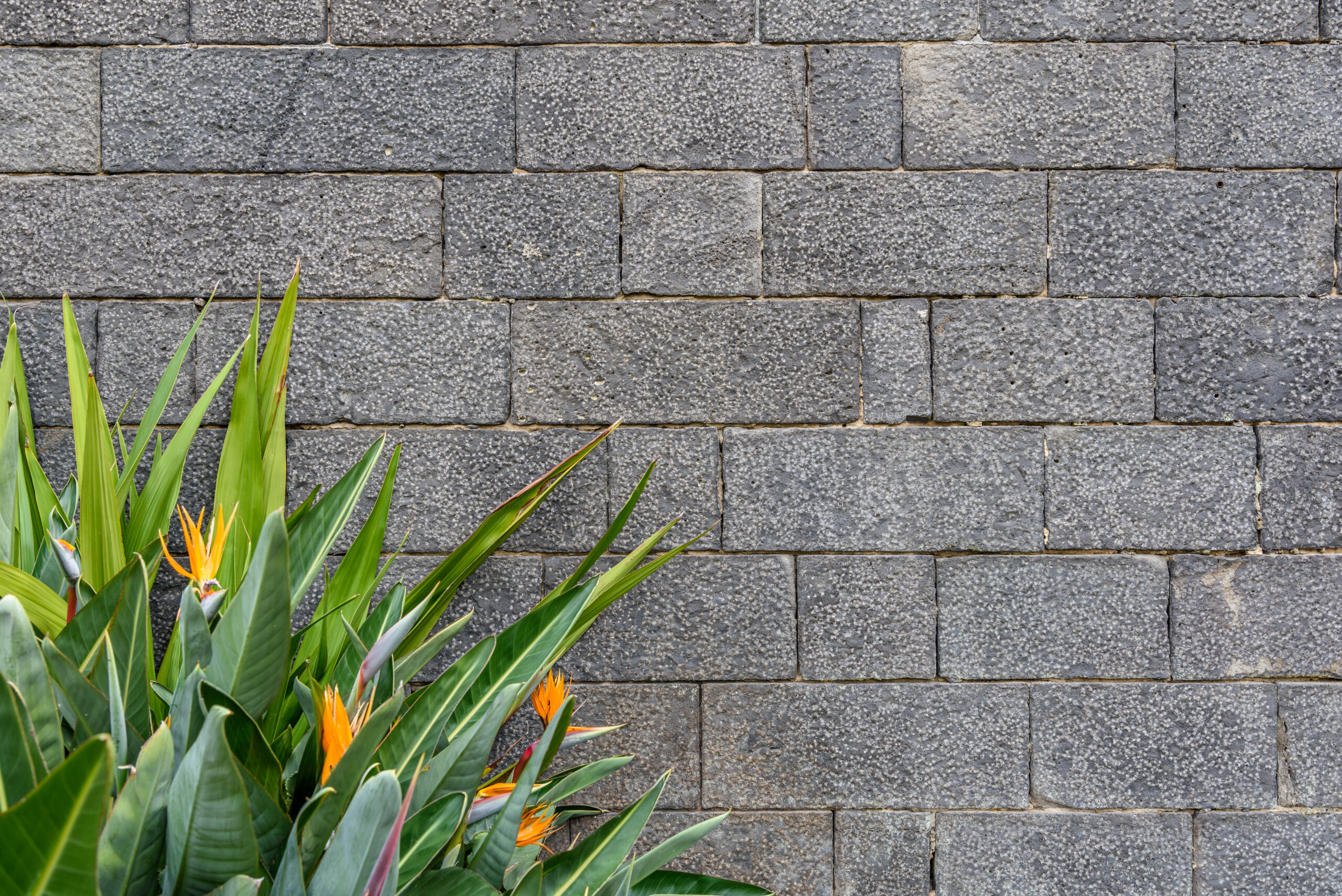
Having a sloped yard can make landscaping, gardening, and outdoor living challenging. Without proper support, soil can shift downhill, causing erosion and damaging your lawn or garden. Retaining walls is an excellent solution. They hold soil in place, create flat areas, and improve the appearance of your yard. This guide explores some of the best retaining wall designs for sloped yards and how to choose the right one for your property. We also cover tips for safe and lasting retaining wall construction.
Why Retaining Walls Are Important for Sloped Yards
Sloped properties face two main challenges: gravity and water. When left unchecked, soil can move downwards, which leads to uneven ground, erosion, and even water problems near your house. A properly designed retaining wall can:
- Hold back soil and prevent erosion
- Make steep areas usable for gardening or seating
- Improve water drainage
- Enhance the look of your yard
- Work alongside other features like stone patio installation areas
Hiring a professional retaining wall contractor ensures that the wall is built safely, lasts long, and looks good.
How Retaining Walls Work
A retaining wall may look simple, but it relies on several important parts to stand strong and hold soil back.
The main elements include:
Foundation – Usually a base of compacted gravel that provides a solid start for the wall.
Drainage Layer – Gravel or a perforated pipe behind the wall helps water move away so pressure does not build up.
Reinforcement – For taller walls, materials like geogrids or anchors strengthen the structure.
Facing Material – This is the visible part of the wall. It can be made from stone, wood, concrete blocks, or steel.
When all these parts work together, the wall resists soil pressure and lasts for years.
Popular Retaining Wall Designs for Sloped Yards
Here are some common retaining wall designs that work well on slopes and give your yard a functional and attractive look.
Tiered Retaining Walls
Tiered walls create steps on a steep slope. Each level is flat and can be used for gardens, seating, or other outdoor features.
Benefits of Tiered Walls
- Makes steep areas more usable
- Helps with drainage and soil control
- Can include lighting or plants to enhance the look
Tiered walls are ideal for properties where you want both function and beauty.
Natural Stone Walls
Natural stone walls are strong and add a timeless look to your yard. There are two main types:
- Dry-stacked stone – Stones are placed without mortar, allowing water to drain naturally.
- Mortared stone – Stones are glued together, which allows taller walls.
Stone walls work well with gardens, pathways, and stone patio installation areas. They last a long time and require very little maintenance.
Interlocking Block Walls
Interlocking block walls are made from pre-shaped blocks that fit together without mortar.
Why choose block walls?
- Easier to install than full masonry walls
- Available in many textures and colors
- Strong and suitable for moderate wall heights
Block walls fit modern landscapes and can include features like plant pockets or small lights.
Gabion Walls
Gabion walls use wire baskets filled with stone or other materials. They are strong and allow water to pass through, which prevents pressure from building behind the wall.
Advantages of Gabion Walls
- Excellent drainage
- Low maintenance
- Flexible and can follow curves or slopes
Gabions give a modern or industrial look and are great near garden beds or water features.
Curved Retaining Walls
Curved walls follow the shape of your land and create a natural, soft look.
Benefits of Curved Walls
- Flow with the natural shape of the slope
- Soften the angles of your yard
- Can include seating or garden spaces
Curved walls are more complex to build, so it is best to consult a professional contractor.
Timber Retaining Walls
Timber walls use treated wood or naturally resistant wood like cedar or redwood.
Benefits of Timber Walls
- Looks natural and warm
- Easier to shape around uneven slopes
- Affordable for smaller walls
Keep in mind that wood walls need more maintenance to prevent rot or insect damage.
Boulder Walls
Large boulders make a strong and dramatic retaining wall. They are heavy and naturally resist soil pressure.
Advantages of Boulder Walls
- Extremely durable
- Add a rustic and natural look
- Can be placed on steep slopes
This type of wall usually requires machinery to install because of the weight of the stones.
Things to Think About Before Building a Retaining Wall
Before starting your retaining wall project, consider these factors:
Soil Type – Sandy, clay, and loamy soils behave differently. Knowing your soil helps your contractor design the best wall.
Water Management – Walls need to move water away from your yard and home. Proper drainage prevents wall damage.
Local Rules – Many areas require a permit for walls above a certain height. Check your local regulations before starting.
Material Choice – Stone, wood, or block walls last differently. Choose materials that fit your budget, style, and maintenance capacity.
Professional Installation – Taller or complex walls are best built by a retaining wall contractor to ensure safety and durability.
How to Choose the Best Retaining Wall for Your Yard
The best wall depends on your slope, yard size, budget, and style preferences.
- If you want long-lasting and elegant walls, stone or block walls are ideal.
- If you prefer modern designs, gabion walls or interlocking blocks work well.
- For steep slopes with drainage issues, tiered walls or professionally engineered walls are often the safest.
No matter which design you pick, working with a professional retaining wall contractor ensures your wall lasts for years and enhances your yard. Proper walls also work with other outdoor projects like stone patio installation, garden beds, or pathways.
Conclusion
Are you wondering which wall design fits your landscape? Do you want to know the costs or see examples that match your outdoor space?
Diamond Touch Masonry offers years of experience in expert masonry services, including retaining walls for sloped yards. Our team combines design expertise and construction skills to help you build walls that are strong, attractive, and long-lasting.
Contact US today for a consultation and start planning your perfect retaining wall project.
FAQs About Retaining Walls
How tall can a wall be without an engineer?
Walls over about four feet usually need an engineer to make sure they are safe, especially on a slope.
What is the cheapest retaining wall option?
Timber and certain block walls are often less expensive upfront, but maintenance costs may be higher.
Do retaining walls help with water drainage?
Yes, they can control water when combined with proper backfill and drainage pipes.
Can I add seating or steps to a retaining wall?
Yes, many tiered and stone walls include steps or seating areas.
Is stone always better than wood or blocks?
Not always. Each material has advantages and disadvantages. Choose what fits your yard and goals best.