
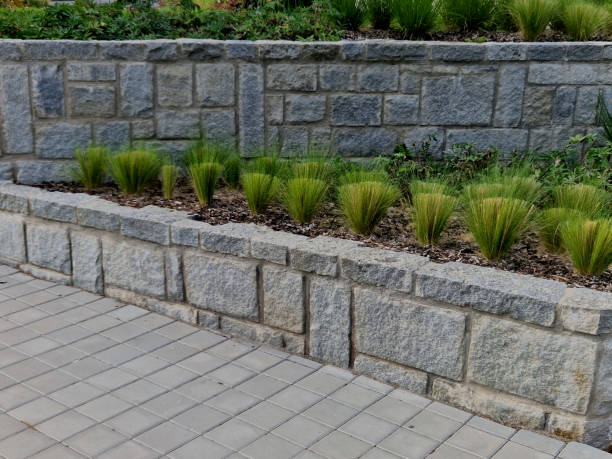
Building a retaining wall can make a property look neat and well-organized, but it’s not just about stacking blocks together. A retaining wall is a structure that holds back soil and helps prevent erosion. If it is not built safely, it can cause damage to your property or even create safety risks for workers and anyone nearby.
If you are a business owner, property manager, or contractor, understanding the safety issues before starting a retaining wall installation is very important. It keeps your project safe, strong, and in line with local building codes.
Why Safety Is Important in Retaining Wall Projects
A retaining wall supports soil and manages the natural pressure that comes from slopes and uneven land. You might install it beside a parking lot, around a business building, or near a stone patio installation to keep the area level.
When safety is ignored, things can go wrong. Problems like soil collapse, water leaks, and cracked walls can appear. In some cases, property damage or injuries can happen. So, being aware of these safety points before building can save time, money, and future headaches.
Check the Site First
Before you begin digging, take time to understand the site where the wall will be built. Good planning helps prevent costly mistakes later.
Evaluate the Soil
Different soil types react in different ways. Clay can hold water, while sand drains quickly. Knowing what type of soil you’re working with helps you design the right kind of wall. Professional soil testing gives details about soil strength and how it handles water. This step ensures your wall can stand firm for years.
Locate Underground Utilities
Always find out where underground cables, gas lines, or water pipes are located before digging. Hitting these lines can be dangerous and lead to serious accidents. Contact your local utility locator service to map out the area safely before any excavation starts.
Be Careful During Excavation
Digging is one of the riskiest parts of wall construction. Trenches can collapse without warning if not properly supported. Soil piled too close to the edge can also cause the ground to cave in.
Always make sure the sides of the excavation are stable. Keep heavy machinery away from the trench edge and place warning signs or fences around the work area to keep workers and bystanders safe.
Use the Right Safety Gear
Personal protective equipment (PPE) is a must for everyone working on a construction site. Hard hats, gloves, goggles, and steel-toe boots protect workers from falling objects or sharp materials. Bright safety vests make workers more visible to equipment operators. Even if someone is visiting the site, they should stay clear of active work areas and follow all safety instructions.
Watch Out for Water and Drainage Problems
Water is a hidden danger when it comes to retaining walls. If water builds up behind the wall, it creates pressure that can make the wall lean, crack, or fall.
A good retaining wall installation plan should include a proper drainage system. Add gravel behind the wall so water can move freely. Include pipes or small openings that let water escape. Also, make sure surface water flows away from the wall. Taking these steps will protect your investment and reduce long-term repair costs.
Choose and Handle Materials Carefully
Not all materials are equal when it comes to retaining wall projects. Using the wrong type can cause early damage.
Concrete blocks and reinforced stones are strong options for commercial or large-scale walls. Timber works for small residential walls but needs protection from moisture. Always buy high-quality materials that meet local construction standards.
When handling heavy materials, be cautious. Large stones or blocks can shift and cause injury. Make sure workers use proper lifting methods or machinery and have trained spotters to guide them.
Follow Local Building Rules and Get Permits
Skipping permits or professional designs is a major mistake. Many areas have strict codes for retaining walls, especially if they are over a certain height or located near public spaces.
A professional engineer should review your design and help file the required permits. Working with certified retaining wall contractors ensures the structure is legal, stable, and safe for long-term use.
Avoid These Common Mistakes
Here are some of the most frequent problems seen in unsafe retaining wall projects:
Ignoring drainage needs can lead to water pressure buildup that weakens the wall.
Not compacting backfill soil can cause uneven settling.
Skipping proper base preparation leads to cracks and tilting.
Building without expert advice can result in poor design and short lifespan.
Avoiding these mistakes during retaining wall installation ensures your structure stays strong and looks good for years.
Use Reinforcement for Stronger Walls
For taller or heavy-load walls, adding extra support is important. Some walls need geogrid reinforcement or anchor systems that tie the wall into the surrounding soil. This prevents movement and adds long-term strength.
Working with professionals who understand these techniques helps make sure your wall is built for stability and durability.
Keep Equipment and Tools Safe
Heavy machinery such as excavators and compactors makes construction faster but also increases risk. Only trained operators should handle them. All tools and equipment should be checked daily before use.
Even smaller tools like saws and grinders should be used carefully with proper safety gear. A safe workspace keeps your project on schedule and prevents accidents.
Inspect the Wall Regularly
A retaining wall should be checked during and after construction. Look for any cracks, leaning sections, or signs of water buildup. If you notice soil movement or drainage issues, fix them early. Regular maintenance helps you avoid expensive repairs and safety hazards later.
Conclusion
Are you fully prepared to build your retaining wall safely and correctly? Every part of this process matters, from soil testing and drainage design to material selection and legal permits. Taking these steps not only protects your property but also ensures your wall lasts for decades.
If you’re planning a retaining wall installation project and want expert guidance, it’s best to work with professionals who understand the details of safe construction.
Diamond Touch Masonry offers reliable and expert masonry services for both residential and commercial clients. Our team focuses on safety, design accuracy, and durable results. Whether you need help with a retaining wall or a stone patio installation, we bring years of experience to every project.
Contact US today to learn how we can make your next project strong, safe, and long-lasting.
Frequently Asked Questions
What is the biggest safety risk during retaining wall installation?
The biggest risk comes from water pressure and unstable soil. Without good drainage or proper design, the wall can fail or collapse.
Do I need a permit to build a retaining wall?
Yes, most cities require a permit for walls above a certain height or those that support heavy loads. Always check with your local building department before starting.
Why should I hire professional retaining wall contractors?
Experienced contractors know how to handle permits, soil testing, and structural safety. They save you time and prevent costly mistakes.
How do I stop water pressure from damaging the wall?
Add gravel and drainage pipes behind the wall to help water flow out. Also, make sure rainwater drains away from the wall surface.
Can I build a retaining wall myself?
Small walls might be DIY projects, but larger ones need professional help for safety and code compliance.