
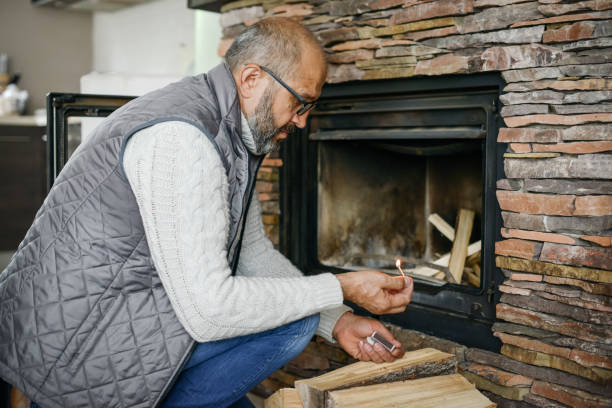
A fireplace should make a home or business feel warm, relaxing, and comfortable. But when smoke starts coming back inside instead of moving out through the chimney, the situation can quickly become stressful. Many property owners eventually need professional fireplace repair service Mashpee, MA solutions to fix venting issues and restore safe fireplace performance. Poor fireplace venting is a common issue in many properties, especially during the colder months in Massachusetts.
Many property owners ignore the early signs because the problem may seem small at first. Smoke marks, bad smells, weak flames, or extra soot are often signs that something is wrong with the venting system. If these issues are ignored for too long, they can affect indoor air quality and may even create safety risks.
This guide explains why fireplaces stop venting correctly, what repairs may be needed, and when it is time to contact a professional for help.
How Fireplace Venting Works
To understand the problem, it helps to know how fireplace venting works.
When a fire burns, heat and smoke naturally move upward through the chimney. This movement is called a draft. The draft pushes smoke and gases outside while allowing fresh air to enter the fireplace. If something interrupts this airflow, smoke may start entering the room instead of leaving the property.
Several parts help the system work correctly, including the chimney flue, damper, firebox, chimney cap, smoke chamber, and vent pipe. If one of these parts becomes blocked or damaged, the fireplace may stop venting properly.
Signs Your Fireplace Is Not Venting Properly
Most homeowners notice warning signs before the issue becomes serious. Smoke entering the room, black soot near the fireplace opening, unusual smells, weak flames, or cold air entering through the chimney are all signs that the fireplace may not be venting correctly.
Carbon monoxide detector alerts should never be ignored because they may indicate dangerous airflow problems inside the chimney system.
Ignoring these warning signs can lead to expensive repairs later.
Common Causes of Fireplace Venting Problems
1. Blocked Chimney
A blocked chimney is one of the most common reasons for venting problems. Leaves, nests, branches, and other debris can block the flue and reduce airflow. Sometimes birds, squirrels, or raccoons build nests inside chimneys that are not used often.
When the pathway becomes blocked, smoke cannot move outside correctly. Professionals inspect the chimney to locate the blockage and clean the system safely using specialized tools and equipment.
Regular chimney cleaning helps prevent this problem from happening repeatedly.
2. Creosote Buildup
Creosote is a dark material that forms when wood does not burn completely. Over time, it sticks to the inside walls of the chimney. Large amounts of creosote reduce airflow and increase the chance of chimney fires.
According to the National Fire Protection Association, chimneys should be inspected at least once every year. Light soot may not seem dangerous at first, but thick tar like buildup can become a serious fire hazard.
Professional cleaning is usually recommended when the buildup becomes excessive.
3. Damper Problems
The damper controls airflow inside the chimney. If the damper does not open fully or becomes rusted, smoke may move back into the room instead of exiting outside.
Older fireplaces in Massachusetts often develop this issue because of moisture and winter weather conditions. In some cases, the damper may simply need adjustment, while other situations may require full replacement.
A damaged damper can also reduce heating efficiency and make the fireplace harder to use.
4. Incorrect Chimney Size
A chimney that is too small or too large can create drafting problems. This issue often appears after remodeling projects or heating system upgrades.
For example, installing a wood stove without updating the chimney liner may interrupt proper airflow. Professionals inspect the fireplace opening, chimney height, and flue size before recommending the right repair solution.
Making proper venting adjustments helps restore balanced airflow and improves overall fireplace performance.
5. Cold Air Inside the Chimney
Cold air trapped inside the chimney can slow down smoke movement. This problem is very common during winter in Mashpee, MA. When cold air remains inside the flue, smoke struggles to rise correctly.
Simple steps such as opening the damper before lighting the fire or using dry wood may improve drafting performance. Some homeowners also warm the flue slightly before starting a fire to help create better airflow.
These small adjustments can make a noticeable difference during colder months.
6. Cracked Chimney Liner
The chimney liner protects nearby materials from heat and smoke exposure. If the liner develops cracks or gaps, the fireplace may not vent correctly and harmful gases can escape into walls or nearby spaces.
Signs of chimney liner damage may include smoke smells upstairs, pieces of tile inside the fireplace, moisture inside the chimney, or weak drafting performance.
A damaged liner should always be repaired quickly to avoid larger structural and safety concerns.
Why Professional Fireplace Inspections Matter
Some homeowners try fixing fireplace problems themselves, but fireplace systems are more complicated than they appear. Professional inspections help identify hidden issues that may not be visible from the outside.
Experts use cameras and airflow testing equipment to locate structural cracks, water damage, venting problems, gas leaks, and chimney crown damage. These inspections help property owners understand the exact condition of the fireplace system before repairs begin.
For commercial buildings, offices, restaurants, and rental properties, routine inspections help reduce unexpected repair costs and improve overall safety.
How Weather Affects Fireplace Venting
Massachusetts weather can affect chimney performance in several ways. Rain, snow, strong winds, and coastal moisture may weaken airflow inside the chimney system.
Strong winds sometimes force smoke back into the property, while rainwater may damage masonry joints and dampers. During freezing temperatures, ice buildup near the chimney cap may also block airflow.
Installing a proper chimney cap helps reduce weather related damage and improves long term fireplace performance.
Using the Right Firewood Matters
The type of firewood used inside the fireplace directly affects airflow and chimney cleanliness. Wet wood creates more smoke and leads to faster creosote buildup inside the chimney.
Dry hardwood burns cleaner and produces stronger airflow. Oak, maple, ash, and hickory are often considered better choices for fireplaces because they burn more efficiently.
Property owners should avoid burning painted wood, treated lumber, trash, or wet branches because these materials create excess smoke and harmful residue.
Good burning habits help fireplaces operate more safely and efficiently over time.
Fireplace Maintenance Tips for Property Owners
Regular maintenance helps prevent major fireplace issues and expensive repairs. Many small problems can be identified early through simple inspections and routine cleaning.
Property owners should watch for unusual smoke, inspect the damper regularly, and remove excess ash during the winter season. Annual chimney inspections are also recommended to identify creosote buildup, masonry damage, or chimney cap issues before they become severe.
After heavy storms, checking the chimney for water leaks or exterior damage can help prevent long term structural problems.
Preventive maintenance usually costs far less than emergency fireplace repairs.
How Masonry Damage Affects Venting
A damaged chimney structure can interrupt airflow and reduce fireplace performance. Cracked bricks, damaged mortar, and leaning chimneys may allow outside air to enter the system and create unstable drafting conditions.
Professional masonry repairs help restore proper airflow while improving safety and structural strength. Many property owners already invest in exterior upgrades like landscaping installation services Mashpee, MA to improve curb appeal. Chimney maintenance deserves the same level of attention because structural damage often becomes more expensive when ignored.
Proper masonry care also helps extend the lifespan of the fireplace system.
When Should You Call a Fireplace Repair Expert?
Some fireplace problems should never be ignored because they may become dangerous over time.
You should contact a professional if smoke regularly enters the room, water leaks appear near the chimney, gas smells develop around the fireplace, or visible cracks form in the masonry. White staining on bricks may also indicate moisture problems inside the chimney structure.
A professional fireplace repair service can inspect the system properly and recommend the safest repair solution.
Fireplace Repair Options
The repair process depends on the exact cause of the venting problem. Some fireplaces may only require cleaning, while others need structural repairs or chimney liner replacement.
Common fireplace repairs include chimney cleaning, masonry restoration, damper replacement, chimney relining, smoke chamber repairs, and chimney cap installation.
Every fireplace system is different, which is why professional inspections are important before starting any repair work.
Safety Risks of Poor Fireplace Venting
Poor venting creates more than comfort problems. It may expose people inside the property to dangerous gases such as carbon monoxide.
Smoke damage, breathing irritation, chimney fires, and heat damage near the fireplace are also possible risks connected to poor airflow. Carbon monoxide detectors should always be installed near fireplace areas for added safety.
Ignoring venting problems for too long may create larger safety concerns inside the property.
Choosing the Right Fireplace Repair Company
Not every contractor understands fireplace systems properly. Property owners should hire experienced professionals who understand chimney inspections, masonry repairs, and fireplace venting systems.
A trusted fireplace repair service Mashpee, MA provider should understand local weather conditions and the common chimney problems found in the area. Reading reviews, checking licenses, and requesting clear repair estimates can help property owners choose the right company.
Working with experienced professionals often leads to longer lasting repair results.
Conclusion
Is your fireplace creating smoke problems or poor airflow inside your property? Ignoring small fireplace issues today may lead to expensive repairs and safety concerns later. Regular inspections, proper maintenance, and timely repairs help your fireplace operate safely during the colder months in Massachusetts.
Whether the issue is related to creosote buildup, damaged masonry, or blocked airflow, experienced professionals can help restore safe fireplace performance. Diamond Touch Masonry is known for providing expert masonry services and dependable fireplace repair service solutions for property owners looking for long term results and safer fireplaces.
FAQs
Why does smoke enter my room when using the fireplace?
This usually happens because airflow inside the chimney is blocked. Common causes include debris, creosote buildup, or damper problems.
How often should a fireplace chimney be cleaned?
Most chimneys should be inspected and cleaned once every year.
Can rain affect fireplace venting?
Yes. Water can damage chimney parts and reduce proper airflow.
Is creosote dangerous?
Yes. Heavy creosote buildup increases the risk of chimney fires.
How long does a chimney liner last?
Depending on the material and maintenance, chimney liners may last between 15 and 50 years.
Should small chimney cracks be repaired quickly?
Yes. Small cracks often become larger structural problems over time.