
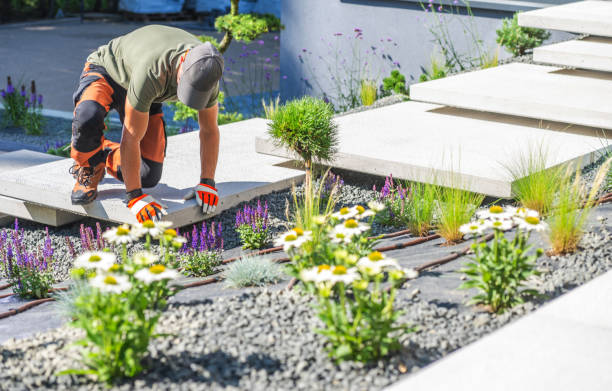
A beautiful outdoor space can make a home look more welcoming and increase its value. However, many homeowners do not have the time to spend hours mowing grass, pulling weeds, trimming shrubs, and watering plants every week. Between work, family activities, and other responsibilities, yard maintenance often becomes difficult to manage.
The good news is that a well-designed landscape does not have to require constant attention. With the right planning, homeowners can enjoy an attractive yard that stays neat and functional throughout the year with much less effort. Low-maintenance landscaping focuses on reducing ongoing work while still creating a space that looks appealing and supports outdoor living.
For homeowners considering landscaping installation services Bourne, MA, choosing the right design elements can help save time, reduce maintenance costs, and improve the overall appearance of the property.
Why Low-Maintenance Landscaping Is Becoming More Popular
Many homeowners today want outdoor spaces that fit their busy schedules. Instead of spending every weekend maintaining the yard, they prefer landscape designs that remain attractive with minimal upkeep.
Low-maintenance landscaping offers several advantages. It reduces the amount of watering needed during warm weather. It lowers mowing requirements and helps decrease landscaping expenses over time. It can also reduce the need for fertilizers, pesticides, and frequent seasonal cleanups.
A thoughtfully designed landscape allows homeowners to spend more time enjoying their outdoor space instead of constantly working on it.
What Is Low-Maintenance Landscaping?
Low-maintenance landscaping is a design approach that focuses on creating outdoor spaces that require less care than traditional landscapes. The goal is to use plants, materials, and layouts that naturally stay healthy and attractive with limited attention.
This type of landscaping often includes native plants, drought-tolerant vegetation, mulch beds, decorative stone features, and durable hardscape elements. These features work together to reduce watering, mowing, pruning, and weed control requirements.
When planned correctly, a low-maintenance landscape can provide year-round beauty without creating a long list of weekly chores.
Choose Native Plants for Easier Care
One of the best ways to reduce landscape maintenance is by choosing plants that naturally grow well in Massachusetts. Native plants are already adapted to local weather conditions, soil types, and seasonal changes.
Because they are suited to the environment, they generally require less water, fewer fertilizers, and less pest control than non-native varieties.
Popular native plants often include flowering perennials, ornamental grasses, and hardy shrubs that return year after year. These plants can add color, texture, and visual interest while requiring less attention from homeowners.
Many professionals offering landscaping installation services Bourne, MA recommend native plants because of their long-term performance and lower maintenance needs.
Reduce Large Lawn Areas
A traditional lawn may look attractive, but it is often one of the most time-consuming parts of a landscape. Grass requires regular mowing, watering, fertilizing, and weed management throughout the growing season.
Reducing the size of your lawn can significantly decrease maintenance requirements. Many homeowners choose to replace portions of grass with planting beds, decorative stone areas, walkways, patios, or ground cover plants.
These alternatives can create visual variety while reducing the amount of work needed to keep the property looking its best.
Add Mulch to Planting Areas
Mulch is one of the simplest and most effective landscaping materials available. It helps improve the appearance of planting beds while reducing maintenance requirements.
Mulch helps the soil retain moisture, which can reduce watering needs during dry periods. It also helps control weeds by limiting sunlight exposure to unwanted plant growth.
In addition, mulch can help regulate soil temperature and provide a finished appearance to landscape beds.
Refreshing mulch periodically can help maintain its effectiveness and keep outdoor spaces looking clean and organized.
Consider Ground Cover Plants
Ground cover plants can be an excellent alternative to traditional grass in certain areas of the landscape. These plants spread naturally and create dense coverage across the soil surface.
Many ground cover varieties require very little maintenance once established. They can help reduce erosion, suppress weeds, and eliminate the need for mowing in difficult areas.
Ground covers are especially useful on slopes, shaded locations, and areas where grass struggles to grow successfully.
Include More Hardscape Features
Hardscape elements are non-living features within a landscape. These include patios, walkways, retaining walls, seating areas, and decorative stone installations.
Adding hardscape features can significantly reduce maintenance because these surfaces do not require watering, mowing, fertilizing, or pruning.
Patios and walkways also improve the functionality of outdoor spaces by creating areas for relaxation, entertainment, and easy movement around the property.
A balanced combination of plants and hardscape features often produces a landscape that is both attractive and practical.
Use Smart Irrigation Systems
Watering plants manually can take a considerable amount of time during the warmer months. Installing a smart irrigation system can help simplify landscape care.
Modern irrigation systems can automatically adjust watering schedules based on weather conditions and seasonal needs. Some systems even include rain sensors that prevent unnecessary watering after rainfall.
By providing consistent moisture to plants while reducing water waste, smart irrigation systems can help maintain healthy landscapes with less effort from homeowners.
Select Drought-Tolerant Plants
Many homeowners assume that attractive landscapes require constant watering. However, numerous plant varieties perform very well with limited moisture once they become established.
Drought-tolerant plants can provide seasonal color and visual appeal while helping reduce water consumption.
These plants are particularly useful during hot summers when water conservation becomes increasingly important. Choosing drought-tolerant species can help lower utility costs while reducing maintenance responsibilities.
Create Defined Landscape Beds
Clearly defined landscape beds can make a property look more organized and easier to maintain.
Well-defined planting areas help separate lawn sections from gardens, making mowing and trimming easier. They also help contain mulch and reduce the spread of weeds into surrounding areas.
Landscape borders made from stone, brick, or other durable materials can improve the appearance of outdoor spaces while supporting long-term maintenance goals.
Use Evergreen Shrubs for Year-Round Beauty
Evergreen shrubs provide color and structure throughout the year. Unlike many seasonal plants, evergreens maintain their appearance during every season.
These shrubs often require less maintenance than flowering plants because they do not need to be replaced each year. They can also provide privacy, define property boundaries, and create attractive focal points within the landscape.
Selecting the right evergreen varieties can help homeowners maintain visual interest even during the winter months.
Plan for Seasonal Cleanup
Even low-maintenance landscapes benefit from occasional seasonal care. Leaves, fallen branches, and other debris can accumulate during different times of the year.
During the fall season, many homeowners rely on professional leaf removal services Bourne, MA to keep their properties clean and prevent lawn damage caused by excessive leaf buildup.
Professional seasonal cleanup services can save time and help maintain the overall health and appearance of the landscape.
Add Decorative Stone Features
Decorative stone can provide long-lasting beauty while reducing maintenance requirements.
Stone features can be used in pathways, garden accents, drainage solutions, and landscape borders. Because stone does not require watering or mowing, it offers a practical solution for homeowners seeking a low-maintenance yard.
Decorative stone can also add texture and contrast, helping create a more visually appealing outdoor environment.
Think About Long-Term Savings
Many homeowners focus only on installation costs when planning a landscaping project. However, it is equally important to consider long-term maintenance expenses.
Low-maintenance landscaping can help reduce spending on lawn care, irrigation, fertilizers, and seasonal upkeep. Over time, these savings can become significant.
Investing in durable materials and appropriate plant selections often leads to lower overall maintenance costs while providing lasting value.
Professional Planning Can Help
While some homeowners choose to handle landscaping projects on their own, professional guidance can often lead to better long-term results.
Landscape professionals understand how to select suitable plants, improve drainage, design efficient layouts, and create outdoor spaces that remain attractive over time.
Many homeowners combine landscape improvements with lawn installation services Bourne, MA to create a balanced outdoor environment that is both functional and visually appealing.
Professional planning can also help avoid costly mistakes that may require future repairs or redesigns.
Common Mistakes Homeowners Should Avoid
Many landscaping problems occur because of poor planning or plant selection.
Choosing plants that are not suited to local conditions can increase maintenance requirements. Overcrowding plants can create growth problems and increase pruning needs. Ignoring drainage issues can lead to standing water and plant damage.
Some homeowners also install large flower beds without considering the ongoing care required. While flowers can add beauty, they often demand more attention than shrubs, ornamental grasses, and native plants.
Avoiding these common mistakes can help create a landscape that remains attractive and easy to manage for years to come.
Conclusion
Are you looking for ways to enjoy a beautiful yard without spending every weekend maintaining it? Low-maintenance landscaping offers homeowners a practical solution that combines beauty, functionality, and convenience. By selecting native plants, reducing lawn areas, adding hardscape features, using mulch, and incorporating drought-tolerant vegetation, it is possible to create an outdoor space that remains attractive throughout the year with far less effort.
If you are considering landscape improvements, professional guidance can make a significant difference in achieving long-lasting results. Diamond Touch Masonry is known for providing expert masonry services that help homeowners improve both the appearance and functionality of their outdoor spaces. Whether you are planning a landscape upgrade, adding hardscape features, or improving curb appeal, their experienced team can help bring your vision to life.
Frequently Asked Questions
What is the easiest type of landscaping to maintain?
Landscapes that include native plants, mulch beds, decorative stone, hardscape features, and drought-tolerant vegetation are generally among the easiest to maintain.
Can low-maintenance landscaping still look attractive?
Yes. A properly designed low-maintenance landscape can be highly attractive while requiring far less upkeep than traditional landscape designs.
Do native plants need less water?
In most cases, native plants require less water because they are naturally adapted to local climate conditions.
How can I reduce mowing around my property?
Reducing lawn areas and replacing them with planting beds, patios, decorative stone, and ground cover plants can significantly reduce mowing needs.
Is mulch important for low-maintenance landscaping?
Yes. Mulch helps conserve moisture, suppress weeds, improve appearance, and reduce the amount of maintenance required throughout the growing season.
Are professional landscaping services worth the investment?
Professional landscaping services can help homeowners avoid costly mistakes, improve property appearance, and create outdoor spaces that require less maintenance over time.