
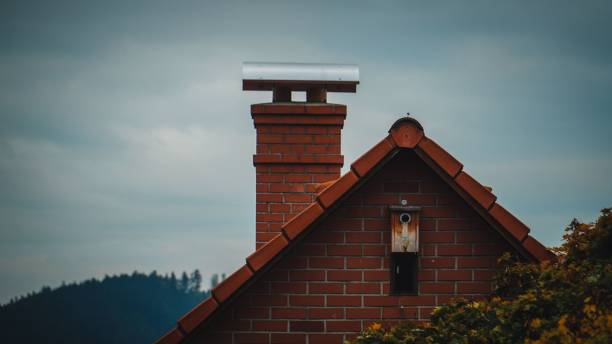
A chimney does much more than carry smoke away from your home. It helps your fireplace, wood stove, or heating system work safely while protecting your property from smoke, moisture, and structural damage. Because homes across Cape Cod experience strong coastal winds, heavy rain, snow, freezing temperatures, and salty air, chimneys often wear out faster than many homeowners expect.
Small cracks, damaged mortar joints, loose bricks, or a worn chimney cap may not seem like a serious issue at first. However, these are some of the most common chimney masonry issues found during professional inspections. If they are ignored, they can quickly grow into expensive repairs. Regular inspections and timely repairs help extend the life of your chimney while keeping your family safe.
If you own a home in Cape Cod, understanding these chimney masonry issues and the warning signs of chimney damage can help you avoid unexpected repair costs. This guide explains common chimney problems, why repairs matter, and how professional chimney repair keeps your home protected throughout the year.
Why Chimney Repair Matters
Many homeowners only think about their chimney when they use their fireplace during the colder months. The truth is that your chimney is exposed to changing weather every day of the year.
Rainwater can seep into tiny cracks. Winter temperatures cause water to freeze and expand inside masonry. Strong winds may loosen chimney caps or flashing. Over time, these conditions weaken the entire chimney structure.
Ignoring these issues can lead to:
- Water leaks inside your home
- Damaged brickwork
- Loose or falling masonry
- Smoke entering living spaces
- Poor fireplace performance
- Higher repair costs later
Fixing problems early is almost always less expensive than replacing large sections of a damaged chimney.
Common Signs Your Chimney Needs Repair
Your chimney usually gives clear warning signs before major damage occurs. Watching for these problems can help you schedule repairs before the situation becomes worse.
Cracked Bricks
Bricks naturally expand and contract as temperatures change. After years of exposure, visible cracks may begin to appear.
Cracked bricks allow moisture to enter the chimney, leading to further damage during freezing weather.
Deteriorating Mortar
The mortar between bricks slowly wears away over time.
If you notice gaps, crumbling joints, or loose bricks, your chimney may need tuckpointing or masonry repairs.
White Stains on Brick
White powdery stains are known as efflorescence. They appear when moisture moves through masonry and leaves mineral deposits behind.
Although the stains themselves are not harmful, they usually indicate that water is entering the chimney.
Water Leaks
Water around the fireplace, stained ceilings, peeling paint, or damp walls near the chimney often point to chimney leaks.
Leaks can come from damaged flashing, missing chimney caps, cracked crowns, or worn masonry.
Leaning Chimney
A chimney that appears to lean or separate from the home should never be ignored.
This could indicate structural movement that requires immediate professional inspection.
Why Cape Cod Weather Is Hard on Chimneys
Cape Cod experiences unique weather conditions that affect masonry structures throughout the year.
Salt carried by ocean air slowly wears down masonry materials. Frequent storms bring heavy rain and strong winds. Winter freeze and thaw cycles allow moisture trapped inside bricks to expand, creating larger cracks.
Homes located closer to the coastline often experience faster masonry deterioration than inland properties.
Because of these environmental conditions, regular chimney inspections are especially important for Cape Cod homeowners.
The Most Common Chimney Repairs
Professional chimney contractors perform many different types of repairs depending on the condition of the structure.
Brick Replacement
When bricks become cracked or broken beyond repair, replacing individual bricks helps restore structural strength while maintaining the appearance of the chimney.
Tuckpointing
Tuckpointing removes damaged mortar and replaces it with fresh mortar that closely matches the original color.
This repair strengthens the chimney while preventing additional water intrusion.
Chimney Crown Repair
The chimney crown is the concrete surface on top of the chimney.
Cracks in the crown allow water to enter the masonry below. Repairing or rebuilding the crown helps protect the entire chimney.
Chimney Cap Installation
A chimney cap keeps rain, birds, leaves, and animals from entering the chimney.
Installing a quality chimney cap also helps reduce moisture damage.
Flashing Repair
Metal flashing seals the area where the chimney meets the roof.
Damaged flashing often causes roof leaks around the chimney and should be repaired quickly.
Chimney Rebuilding
When damage becomes severe, rebuilding part or all of the chimney may be the safest long term solution.
Professional chimney rebuilding restores structural stability while improving appearance.
Why Water Is the Biggest Threat
Water causes more chimney damage than almost anything else.
Even a small crack allows rainwater to enter the masonry. As temperatures drop below freezing, the trapped water expands.
This repeated freeze and thaw cycle creates larger cracks, loose bricks, damaged mortar, and structural movement.
Keeping moisture out through proper repairs and waterproofing greatly extends the life of your chimney.
Should You Repair or Rebuild Your Chimney?
Many homeowners wonder whether their chimney needs simple repairs or complete rebuilding.
Minor problems usually include:
- Small mortar cracks
- Loose flashing
- Damaged chimney cap
- Crown cracks
- Limited brick replacement
Larger structural problems may require rebuilding when:
- The chimney is leaning.
- Multiple rows of bricks have deteriorated.
- Large sections have become unstable.
- Previous repairs have failed.
- Water damage has spread throughout the chimney.
A professional inspection determines which solution provides the safest and most cost effective option.
How Often Should a Chimney Be Inspected?
The National Fire Protection Association recommends annual chimney inspections.
Even if you rarely use your fireplace, weather can still damage the masonry throughout the year.
A yearly inspection helps identify:
- Hidden cracks
- Water damage
- Loose bricks
- Chimney cap problems
- Flashing damage
- Masonry deterioration
Finding these issues early helps avoid larger repair bills.
Ways to Extend the Life of Your Chimney
Regular maintenance keeps your chimney performing well for many years.
Simple maintenance includes:
- Schedule yearly inspections.
- Repair cracks as soon as they appear.
- Replace damaged chimney caps.
- Keep flashing in good condition.
- Remove vegetation growing near the chimney.
- Address water leaks immediately.
- Clean the chimney regularly if you burn wood.
These simple steps can significantly reduce long term repair costs.
Choosing the Right Chimney Repair Contractor
Not every masonry contractor specializes in chimney repair.
When selecting a contractor, look for a company that has experience working with brick chimneys throughout Cape Cod.
A qualified contractor should:
- Have experience repairing masonry chimneys.
- Understand local weather conditions.
- Use quality masonry materials.
- Provide honest repair recommendations.
- Complete repairs with attention to detail.
Choosing experienced professionals helps ensure repairs last for years rather than requiring repeated work.
Chimney Repair Service Areas Across Cape Cod
Homeowners throughout Cape Cod can benefit from professional chimney repair. Diamond Touch Masonry proudly provides chimney repair services in:
- Bourne, MA
- Sandwich, MA
- Cotuit, MA
- Brewster, MA
- Chatham, MA
- Orleans, MA
- Eastham, MA
- Wellfleet, MA
- Provincetown, MA
- Plymouth, MA
- Mashpee, MA
- Falmouth, MA
- Yarmouth, MA
- Dennis, MA
- Barnstable, MA
- Hyannis, MA
- Dennis Port, MA
- Harwich, MA
- Harwich Port, MA
- North Chatham, MA
- Pleasant Bay, MA
- Truro, MA
Whether your chimney needs minor masonry repairs, chimney rebuilding, flashing replacement, chimney crown repair, or waterproofing, professional solutions are available throughout these Cape Cod communities.
Keep Small Chimney Problems from Becoming Major Repairs
Many homeowners postpone chimney repairs because the damage appears minor. Unfortunately, small cracks rarely stay small.
Moisture continues entering the masonry, freezing temperatures widen existing cracks, and loose mortar gradually weakens the chimney structure. What could have been repaired with a relatively small investment may eventually require extensive rebuilding.
Scheduling repairs when the first signs of damage appear protects your home, improves fireplace safety, and helps preserve the value of your property.
Conclusion
A well maintained chimney protects your home from water damage, improves fireplace performance, and helps keep your family safe throughout every season. Regular inspections, timely repairs, and quality masonry work can prevent many of the costly problems caused by Cape Cod’s changing weather.
If you notice cracked bricks, damaged mortar, chimney leaks, or other signs of wear, it is best to have the chimney inspected before the damage spreads. Diamond Touch Masonry is a trusted name for expert masonry services throughout Cape Cod. Their experienced team provides dependable chimney repair, chimney rebuilding, masonry restoration, and other professional masonry solutions designed to keep your chimney strong, safe, and built to last. For homeowners across Cape Cod, Diamond Touch Masonry is committed to delivering quality workmanship and reliable service you can count on.
Frequently Asked Questions
1. How do I know if my chimney needs repair?
There are several signs that your chimney may need professional attention. Look for cracked bricks, crumbling mortar, white stains on the masonry, water leaks near the fireplace, rust on metal parts, or a chimney that appears to lean. If you notice any of these issues, schedule an inspection before the damage becomes more expensive to repair.
2. How often should I have my chimney inspected?
It is recommended to have your chimney inspected at least once a year, even if you do not use your fireplace often. Annual inspections help identify hidden damage, moisture problems, loose masonry, and other issues before they turn into major repairs.
3. Why does my chimney leak during heavy rain?
A chimney can leak for several reasons, including damaged flashing, a cracked chimney crown, missing or damaged chimney caps, or worn masonry. Water entering through these areas can damage both the chimney and the interior of your home if repairs are delayed.
4. Can small chimney cracks become serious problems?
Yes. Even small cracks allow moisture to enter the masonry. During cold weather, the trapped water freezes and expands, causing the cracks to grow larger. Over time, this can lead to loose bricks, damaged mortar, structural issues, and costly rebuilding.
5. Is chimney rebuilding always necessary for damaged chimneys?
No. Many chimney problems can be repaired without rebuilding the entire structure. Repairs such as tuckpointing, brick replacement, crown repair, flashing repair, or chimney cap installation are often enough. Complete rebuilding is usually recommended only when the chimney has extensive structural damage.
6. Why is chimney repair especially important for Cape Cod homes?
Cape Cod homes are exposed to coastal weather, including salt air, heavy rain, strong winds, and freeze and thaw cycles. These conditions can speed up masonry deterioration, making regular inspections and timely chimney repairs especially important for homeowners in the area.