
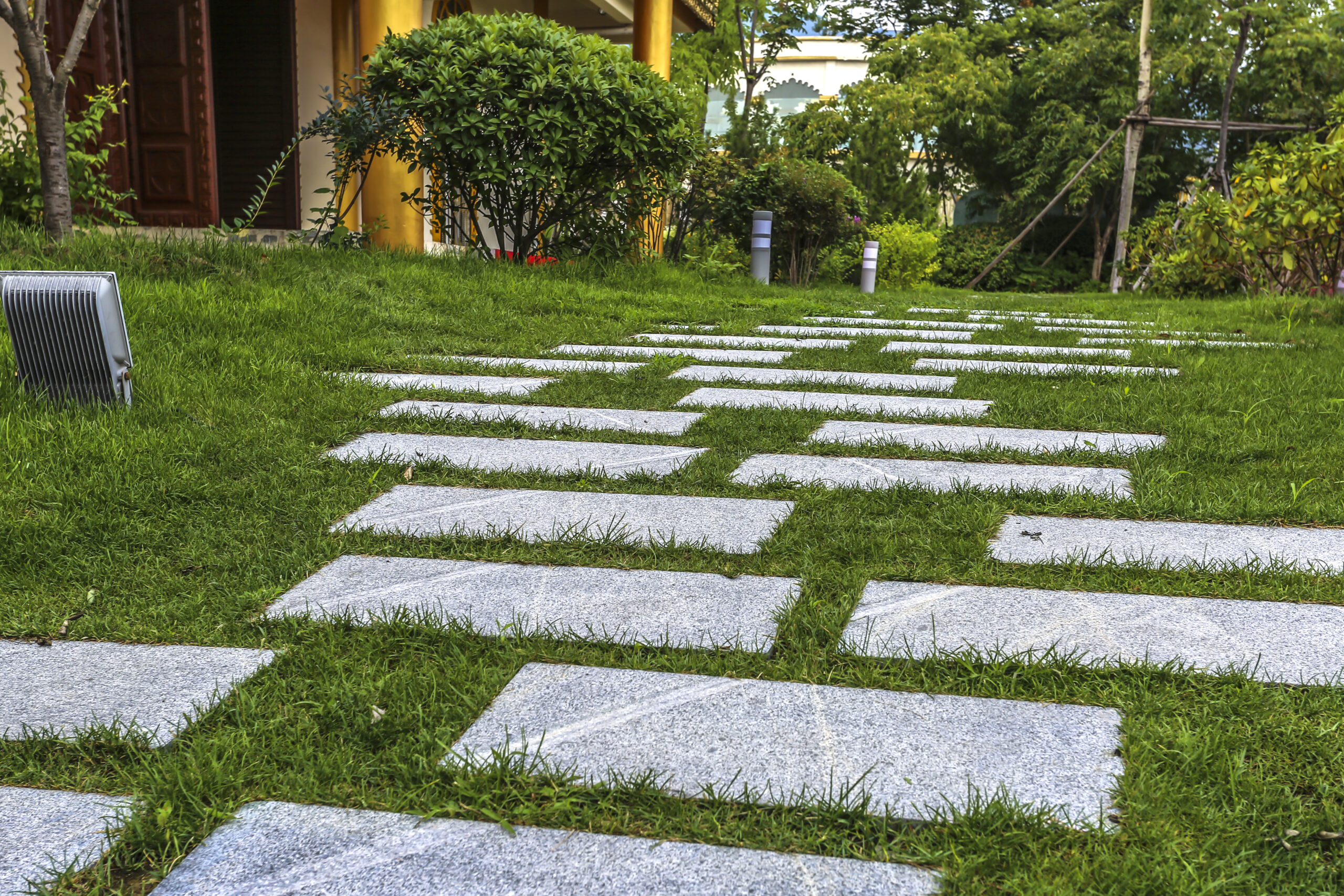
A stone patio can give your backyard a welcoming place to relax, share meals, and spend time with family and friends. Whether you have a small garden or a spacious yard, the right patio design can make better use of your outdoor area while complementing your home’s appearance.
For homeowners in Mashpee, MA, stone patio installation requires careful planning around the local climate, ground conditions, and outdoor lifestyle. From choosing suitable stone to preparing a stable base, every stage affects how the patio looks and performs over time. Diamond Touch Masonry can help homeowners explore patio options that suit their property and plans.
Choose the Right Stone for Your Patio Installation
The stone you choose influences your patio’s appearance, maintenance needs, and durability. Natural stone, such as bluestone, granite, and flagstone, offers different colors, textures, and shapes. Concrete pavers are another option for homeowners who want consistent sizes and a range of patterns.
Bluestone is a popular choice in New England landscapes because of its natural appearance and range of finishes. Granite offers a hard-wearing surface, while flagstone can create a more relaxed, irregular layout. Each material has different costs and installation requirements, so consider your budget, preferred style, and how you plan to use the space.
When comparing materials, ask about slip resistance, surface texture, weather exposure, and maintenance. The right selection should suit both your design preferences and the conditions around your Mashpee property.
Plan a Patio Layout That Fits Your Yard
A good stone patio design starts with how you want to use the space. If you enjoy outdoor dining, allow enough room for a table, chairs, and comfortable movement around them. If you prefer a quiet place to read or relax, a smaller seating area may be all you need.
Think about how people will move between the house, patio, garden, and other outdoor features. A patio near the kitchen can make outdoor meals more convenient, while a garden-facing seating area can provide a peaceful place to unwind.
The shape should also suit your yard. Rectangular patios can work well beside a house, while curved edges may complement gardens with softer landscaping. Planning the layout before construction helps you use available space without making the patio feel crowded.
Prepare the Ground for Lasting Results
Proper ground preparation is one of the most important parts of stone patio installation. Even attractive stone can shift, settle, or develop uneven surfaces if the base is poorly prepared.
The process generally involves marking the layout, excavating the area to the required depth, and preparing a suitable base. The depth and base materials depend on the soil, stone type, intended use, and site conditions. Proper compaction helps create a stable foundation for the finished surface.
Drainage must also be considered during planning. Water should move away from the house and other vulnerable areas rather than collecting on the patio or against the foundation. In Mashpee, where seasonal rain and winter freezing can affect outdoor surfaces, suitable grading and base preparation help reduce the risk of movement and water-related problems.
Select a Pattern That Complements Your Home
The stone pattern can influence the overall feel of your outdoor space. A regular pattern creates a neat, orderly appearance, while irregular flagstone layouts offer a more natural look. Larger stones can make a small patio feel less visually busy, depending on the layout and surrounding features.
Consider your home’s exterior, garden design, and existing walkways when choosing a pattern. Coordinating the patio with nearby steps, retaining walls, or stone borders can help create a consistent look across the property.
Color matters, too. Gray and blue-gray stones can suit traditional New England homes, while warmer tones may complement brick, wood, and earth-colored landscaping. Ask to see actual material samples outdoors, because sunlight and surrounding surfaces can affect how stone colors appear.
Consider Drainage and Massachusetts Weather
Outdoor patios in Massachusetts experience changing conditions throughout the year. Rain, snow, temperature changes, and freeze-thaw cycles can affect the surface and the materials beneath it. Planning for these conditions is an important part of building a patio that remains usable over time.
The finished surface should have suitable drainage slopes, and the base should be prepared for the property’s soil and expected use. Water that repeatedly collects in low spots can cause inconvenience and may contribute to surface problems during freezing weather.
Your patio installer should explain how the proposed design will manage runoff and what maintenance the selected materials may require. If the property has a steep slope, poor drainage, or areas that stay wet, those conditions should be assessed before construction begins.
Compare Patio Installation Services Carefully
Choosing patio installation services involves more than comparing prices. Ask contractors about their experience with stone patios, ground preparation methods, drainage planning, material recommendations, and project timelines.
Request a written estimate that explains what is included. This should identify the proposed stone, excavation, base preparation, installation, joint materials, site cleanup, and any exclusions. Comparing estimates with similar scopes makes it easier to understand the differences in price.
You can also ask to see photographs of completed projects or speak with previous customers when references are available. A clear explanation of the construction process and a realistic schedule can help you feel more prepared before work starts.
Keep Your Stone Patio Looking Good
Regular care helps maintain the appearance and usability of a stone patio. Sweep away leaves, dirt, and other debris before they collect between joints. Clean spills promptly using a method suitable for the stone, and avoid harsh cleaners that may damage the surface.
Inspect the patio periodically for loose stones, uneven areas, damaged joints, or places where water collects. Addressing small problems early may help prevent more extensive repairs later.
Winter care also deserves attention. Use snow-removal tools carefully to avoid scratching or chipping the surface. If you use de-icing products, confirm that they are suitable for your specific stone and joint materials. Follow the installer’s guidance for sealing, cleaning, and other maintenance tasks.
Contact Diamond Touch Masonry for Stone Patio Installation
A well-planned stone patio can create a comfortable outdoor area for family meals, weekend gatherings, or quiet evenings at home. The right material, layout, base preparation, and drainage plan all contribute to how the finished space looks and performs.
Diamond Touch Masonry serves homeowners in Mashpee, MA, who are planning masonry and outdoor living projects. If you are considering a new stone patio, discuss your ideas, available materials, and site requirements before construction begins.
Contact Diamond Touch Masonry to discuss your stone patio installation project in Mashpee, MA, and request an estimate.
Frequently Asked Questions
What is the best stone for patio installation?
The right stone depends on your budget, preferred appearance, site conditions, and maintenance expectations. Bluestone, granite, flagstone, and concrete pavers are common options. Compare their finishes, durability, and installation requirements before deciding.
How long does stone patio installation take?
The timeline depends on the patio’s size, design complexity, site access, ground conditions, and weather. A contractor can provide a more realistic schedule after assessing the property and confirming the materials and scope of work.
Does a stone patio need a prepared base?
Yes. A suitable, properly compacted base supports the stone and helps reduce shifting and uneven settlement. The required base depth and materials depend on the site, soil conditions, stone type, and intended use.
How do I protect my stone patio during Massachusetts winters?
Keep the surface clear of debris, remove snow carefully, and use only cleaning or de-icing products suitable for your stone. Proper drainage and base preparation also help the patio cope with seasonal freezing and thawing.
How do I choose patio installation services in Mashpee, MA?
Look for relevant experience, clear written estimates, suitable insurance, and a detailed explanation of the materials, base preparation, drainage, and schedule. Ask questions about maintenance and how the contractor plans to address your property’s specific conditions.