
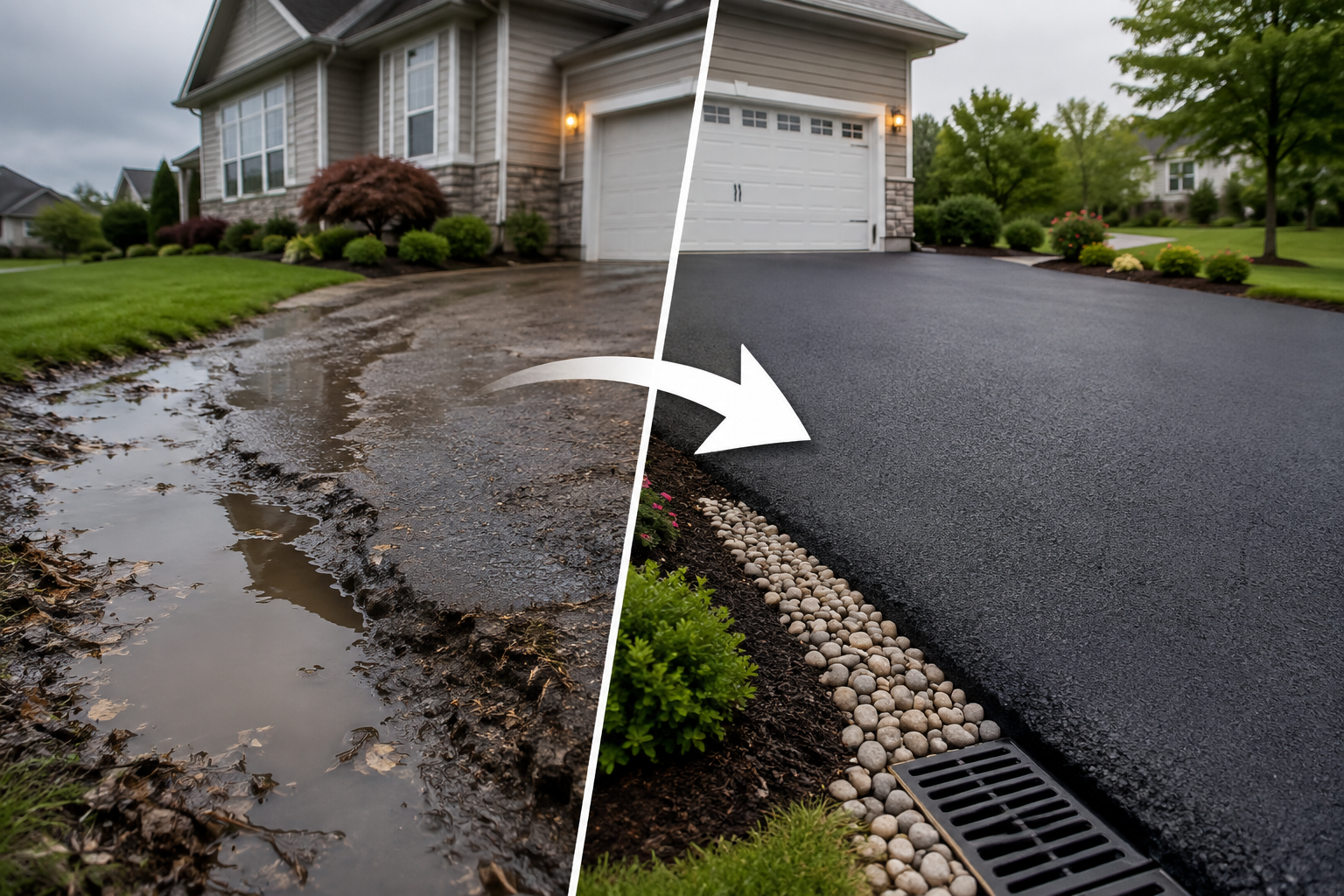
Water collecting around your home or business can cause expensive damage over time. Standing water can weaken your driveway, affect your foundation, create muddy areas, and damage your landscaping. Many property owners focus only on drainage systems, but the design and construction of a driveway also play an important part in moving water away from the property.
If your existing driveway has cracks, uneven areas, or poor grading, replacing it may improve the way rainwater moves across your property. A professionally installed driveway is designed to support vehicles while directing water toward the proper drainage areas instead of allowing it to collect where it should not.
If you are planning to invest in driveway installation services Yarmouth MA, learning how a new driveway improves drainage can help you make a smart decision for your property.
Why Does Driveway Drainage Matter?
A driveway is much more than a place to park your vehicle. The design, material, and slope all affect how rainwater moves during and after a storm.
Poor drainage can create several problems, including:
- Water collecting near your home
- Moisture around the foundation
- Soil erosion
- Cracked pavement
- Ice forming during winter
- Damage to nearby plants and landscaping
When these problems continue for years, repair costs can become much higher.
Tip: Rainwater should always move away from your home instead of collecting around the foundation.
How Can a New Driveway Improve Drainage?
A properly built driveway is planned with drainage in mind from the beginning. Professional contractors inspect the property, study the slope, evaluate the soil, and understand how water naturally flows before construction starts.
Several important features help improve drainage.
Proper Grading
Grading is one of the most important parts of building a driveway.
Instead of making the driveway completely flat, contractors create a gentle slope that allows rainwater to move toward safe drainage areas.
Without proper grading, water often stays on the driveway, increasing the risk of cracks and surface damage.
Better Surface Materials
Different driveway materials handle water in different ways.
Asphalt performs well when it is installed with proper grading.
Concrete also provides good drainage when the correct slope is used.
Pavers allow water to move through the spaces between each unit, helping reduce standing water.
Permeable pavers allow even more water to pass into the ground, making them an excellent choice for many properties.
The best material depends on your budget, local weather, and the layout of your property.
Better Water Flow
Modern driveway construction is designed to move water safely away from buildings.
Depending on your property, your new driveway may include:
- Drainage channels
- Swales
- Trench drains
- Catch basins
- Edge grading
These features work together to reduce standing water after heavy rainfall and help protect your property.
Signs Your Current Driveway Has Drainage Problems
Many homeowners do not notice drainage issues until visible damage appears.
Watch for these common warning signs:
- Water remains on the driveway long after it rains.
- Cracks continue becoming larger.
- Moss or algae appears on the surface.
- Soil washes away beside the driveway.
- Water enters the garage.
- The driveway develops uneven areas.
If you notice several of these problems, repairing small cracks may not be enough. A replacement may provide a better long term solution.
Why Proper Installation Matters
Installing a driveway involves much more than placing asphalt or concrete on the ground.
Professional contractors complete several important steps before installing the finished surface.
These steps include:
- Removing unstable soil.
- Compacting the base.
- Installing proper drainage layers.
- Creating the correct slope.
- Finishing the surface evenly.
Missing any of these steps can reduce the life of your driveway and increase future repair costs.
Property owners looking for driveway installation services Yarmouth MA should choose experienced professionals who understand both driveway construction and proper drainage planning.
Can Good Drainage Extend the Life of Your Driveway?
Yes.
Water is one of the biggest reasons driveways become damaged.
When water enters small cracks and freezes during winter, it expands. This process can create larger cracks, potholes, and uneven pavement over time.
Proper drainage helps reduce:
- Damage caused by freezing and thawing
- Surface erosion
- Base damage
- Edge wear
- Weed growth between pavers
A driveway that stays dry usually lasts much longer and requires fewer repairs.
How Landscaping Supports Driveway Drainage
Landscaping also affects the way water moves around your property.
Professional contractors often design the driveway together with the surrounding landscape to improve drainage.
Some helpful landscaping features include:
- Rain gardens
- Decorative stone borders
- Retaining walls
- Grass swales
- French drains
These features help manage rainwater while also improving the appearance of your property.
Is a Permeable Driveway a Good Choice?
Permeable driveways continue becoming more popular because they allow water to pass through the surface and soak into the ground.
Some of the benefits include:
- Less standing water
- Less runoff
- Better groundwater absorption
- Lower risk of erosion
- A cleaner appearance
Although every property is different, permeable driveways can be an excellent option for many homes.
Common Drainage Mistakes During Driveway Construction
Some drainage problems begin during installation.
Common mistakes include:
- Building a completely flat driveway.
- Poor soil preparation.
- Ignoring natural water flow.
- Using poor quality base materials.
- Blocking normal drainage paths.
- Creating incorrect slopes.
Working with experienced professionals helps prevent these costly mistakes.
How Massachusetts Weather Affects Driveways
Massachusetts experiences heavy rain, snow, freezing temperatures, and changing seasons throughout the year.
Because of these conditions, driveways should be built to handle:
- Heavy rainfall
- Snow accumulation
- Ice formation
- Seasonal temperature changes
- Soil movement
A driveway designed for local weather conditions usually performs better and lasts longer.
What Should You Expect During a Professional Driveway Installation?
A professional driveway project follows several important steps to make sure the finished surface is strong, attractive, and able to handle proper water drainage.
Site Inspection
The first step is a detailed inspection of the property. Contractors examine the existing drainage, soil condition, property slope, and the natural direction of water flow. This information helps them create a driveway that works well with your property instead of creating future drainage problems.
Design Planning
After the inspection, the contractor prepares a driveway design that supports both vehicle traffic and effective water drainage. Proper planning helps reduce the chance of standing water after heavy rain.
Excavation
The old driveway materials and any unstable soil are removed. Preparing a solid foundation is an important step that helps the new driveway last longer.
Base Preparation
A compacted stone base is installed to create a stable foundation. This layer supports the driveway and helps improve drainage beneath the surface.
Surface Installation
Once the foundation is complete, the selected driveway material is installed using proper grading techniques. Careful installation helps direct rainwater toward safe drainage areas.
Final Inspection
Before the project is finished, contractors check the completed driveway to confirm that water flows correctly and that the surface is even and ready for daily use.
Does Every Property Need Additional Drainage Features?
Not every property requires extra drainage systems.
Some homes naturally have good drainage because of their location, elevation, and soil conditions.
Other properties may benefit from additional drainage features such as:
- Trench drains
- Catch basins
- Dry wells
- Channel drains
- French drains
A professional inspection helps determine which solutions are actually needed. This prevents unnecessary work while improving overall drainage.
Local Experience Makes a Difference
Every property has different drainage challenges.
The type of soil, rainfall levels, property slope, and surrounding landscape all affect how well a driveway performs.
If you are also searching for driveway installation services Falmouth MA, working with contractors who understand Cape Cod conditions can help you receive a driveway designed for long lasting performance and proper drainage.
Comparing an Older Driveway with a New Driveway
Older driveways often struggle with drainage because they develop cracks, uneven surfaces, and worn areas over time. Water may collect in low spots, increasing the risk of pavement damage and creating slippery conditions.
A professionally installed driveway is designed with proper grading to help water move away from the surface. It usually provides a smoother appearance, better traction, lower maintenance needs, and improved curb appeal. In many cases, a new driveway can also increase the overall value of your property.
Conclusion
Could a new driveway be the answer to the drainage problems around your property? For many homeowners and business owners, the answer is yes. A properly installed driveway does much more than improve appearance. It helps direct rainwater away from your property, protects the pavement, reduces future maintenance, and supports the long term condition of your home or business. Choosing professional driveway installation services is a smart investment that can improve both the function and value of your property.
If you are looking for experienced professionals, Diamond Touch Masonry is known for providing expert masonry services and quality driveway solutions that are built to last. Their experienced team focuses on dependable workmanship, attractive finishes, and results that match the needs of your property.
Frequently Asked Questions
Can a new driveway really improve drainage?
Yes. A properly designed driveway uses correct grading, quality materials, and careful planning to move water away from your home and reduce standing water.
What is the best driveway material for drainage?
Permeable pavers are one of the best choices because they allow water to pass through the surface. Asphalt and concrete also perform well when installed with the proper slope.
How long does a new driveway last?
The lifespan depends on the material, installation quality, maintenance, and local weather conditions. A professionally installed driveway can often last twenty years or even longer with proper care.
Can poor drainage damage my home’s foundation?
Yes. Water that collects near the foundation may lead to moisture problems and structural damage over time if the issue is not corrected.
Should drainage be inspected before installing a driveway?
Yes. A professional inspection helps identify grading issues and ensures the new driveway is designed to manage water properly.