
How Can You Prevent Chimney Masonry Damage in the Future?
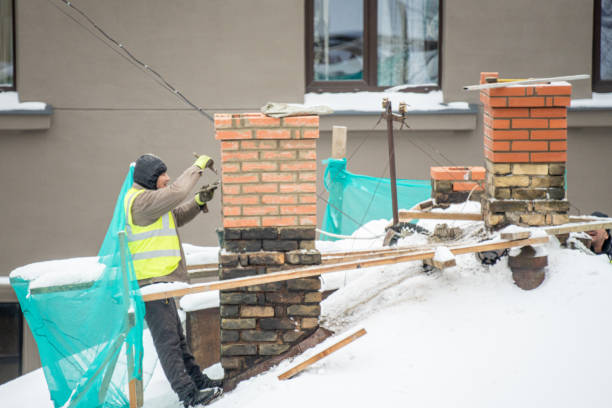
A chimney may look strong and solid from the outside, but its strength depends on many small parts working together. Bricks, mortar joints, flashing, and the chimney crown all play an important role in keeping the structure stable. Over time, rain, snow, heat, and freezing temperatures slowly affect these materials. When tiny cracks appear, water can enter the structure. This is when many property owners begin noticing problems that require chimney masonry repair. Preventing damage early can save a lot of money and effort. Many chimneys in the United States develop serious problems simply because regular maintenance is ignored. The good news is that a few simple actions can greatly reduce the chances of needing major chimney masonry repair later. This guide explains how chimney damage starts, how to identify early warning signs, and what steps property owners can take to protect their chimney for many years. Why Chimney Masonry Damage Happens Chimneys face harsh weather throughout the year. Brick and mortar are strong materials, but they can absorb small amounts of moisture. When water enters these materials and temperatures drop below freezing, the water expands and causes cracks. When this cycle happens again and again, mortar joints begin to weaken and break apart. As a result, bricks may shift or loosen. At this stage, professional chimney masonry repair becomes necessary to restore the chimney. There are several common reasons why chimneys develop structural damage. Rain and snow that constantly fall on the chimney surface slowly wear down the mortar.Older chimneys may contain mortar that has already reached the end of its life.Missing chimney caps allow water and debris to enter the structure.Poor flashing installation may allow water to enter where the chimney meets the roof.Frequent heating and cooling inside the chimney can also create stress on the masonry. Many building owners notice these problems only after pieces of mortar fall or cracks become visible. By that time, the chimney often needs detailed chimney masonry repair. Early Warning Signs of Chimney Damage Chimneys usually show signs before serious structural damage occurs. Paying attention to these early signals can help property owners act quickly. Here are some warning signs that often indicate the need for chimney masonry repair. These signs usually mean that moisture has entered the masonry system. If repairs are delayed, the damage may spread deeper into the chimney walls. In many situations, simple chimney masonry repair performed early can stop the damage and prevent expensive rebuilding. Schedule Regular Chimney Inspections Routine inspections are one of the most effective ways to protect a chimney. Many professionals recommend inspecting chimneys once every year, especially if the fireplace is used often. During an inspection, a technician carefully checks the entire chimney structure. They examine the condition of bricks and mortar joints.They inspect the chimney crown to make sure it is not cracked.They review the flashing where the chimney meets the roof.They check the inside of the chimney and the flue liner.They look for signs of moisture damage. These inspections help identify small issues before they turn into larger problems. When minor cracks are found early, simple chimney masonry repair can restore the structure quickly. The Chimney Safety Institute of America also explains that annual inspections reduce structural risks and help prevent chimney fires. Keep Water Away from Your Chimney Water is the most common reason chimneys become damaged. When moisture enters brick and mortar, it slowly weakens the structure. During winter, freezing temperatures make the problem worse because trapped water expands. Several protective steps can help keep water away from your chimney. Install a Chimney Cap A chimney cap covers the opening at the top of the flue. It prevents rainwater from falling directly into the chimney and also stops animals or debris from entering. Without a chimney cap, water can reach the interior masonry and increase the chances of needing chimney masonry repair. Repair the Chimney Crown The chimney crown is the top surface that protects the structure from rain. If the crown develops cracks, water can move quickly into the bricks below. Repairing the crown at the right time can prevent major chimney masonry repair in the future. Apply a Waterproof Coating Waterproof sealants allow masonry to breathe while reducing moisture absorption. This protective layer helps keep bricks dry and reduces the risk of cracking. Maintain the Mortar Joints Mortar joints hold bricks together and keep the chimney stable. Over time, mortar naturally begins to weaken and crumble. When this happens, professionals perform a repair process called tuckpointing. During this process, damaged mortar is removed and replaced with fresh mortar that restores strength to the structure. Tuckpointing is one of the most common types of chimney masonry repair, and it can greatly extend the life of a chimney. This type of repair improves structural stability and helps prevent water from entering the masonry. It also costs much less than rebuilding an entire chimney. Ignoring damaged mortar often allows the problem to spread and leads to larger chimney masonry repair projects later. Ensure Proper Flashing Around the Roof Flashing is the metal barrier placed where the chimney connects with the roof. Its job is to keep rainwater from entering the space between the chimney and roofing materials. If flashing becomes loose, damaged, or rusted, water may begin leaking into the structure. This moisture can affect both the roof and the chimney walls. Some signs of flashing problems include water stains in the attic or near the fireplace and rust visible around the chimney base. Repairing flashing early can prevent expensive chimney masonry repair in the future. Use Quality Materials for Chimney Repairs Not all masonry materials perform the same way. Older chimneys often require specific types of mortar that match the original construction. Using incorrect mortar mixtures can damage bricks and shorten the life of the repair. Skilled professionals carefully match materials when performing chimney masonry repair to ensure long lasting results. A quality repair usually includes selecting durable bricks, matching the original mortar composition, applying waterproof protection, and
How Can You Spot Hidden Chimney Damage Before It Becomes a Big Problem?
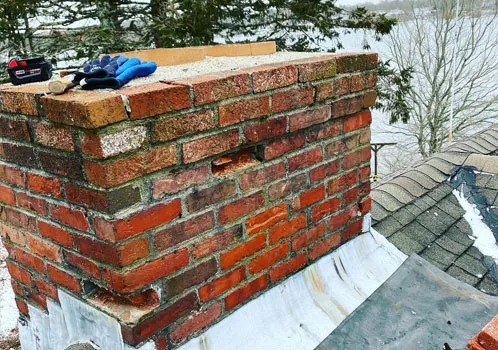
A chimney is more than just a part of your home’s design. It safely channels smoke, fumes, and moisture out of your property. Yet, problems often start quietly, hidden beneath the surface. If left unchecked, they can grow into expensive repairs or even safety hazards. Homeowners and business owners should know how to recognize early signs of chimney masonry repair needs so small issues don’t become major problems. In this article, we will explain how to identify hidden damage, what causes it, and how to take action before it affects your property. Why It’s Important to Spot Damage Early Chimneys deal with extreme conditions. Rain, snow, wind, and heat from fires can all affect the masonry, mortar, flashing, and flue liner. What begins as a small crack or leak can expand over time and lead to serious problems. Early detection is key because these issues often start subtly. By spotting them early, you can protect your property and avoid costly repairs. Signs of Hidden Chimney Damage Here are the most common warning signs that your chimney may need attention even if it looks fine from the outside. Cracks in the Masonry and Mortar Cracks are one of the most common indicators of hidden damage. You might see small lines between bricks or across the surface. These cracks allow water to seep into the chimney, which can expand when it freezes and worsen the damage. Over time, cracks can lead to crumbling mortar or loose bricks, making brick chimney repair necessary. White Stains on the Bricks If you notice white, chalky marks on your bricks, this is called efflorescence. It happens when moisture draws salts from inside the bricks or mortar to the surface. This is more than just a cosmetic issue. It shows that water is entering your chimney and could eventually cause bigger problems like crumbling bricks or leaks. Flaking or Broken Bricks Spalling happens when bricks start to flake, chip, or break. This is usually caused by water entering the bricks and freezing. Spalling weakens your chimney both structurally and visually. If you notice flaking bricks, it’s a sign that repairs are needed before the damage becomes worse. Water Leaks and Stains Water can cause damage both inside and outside your home. Watch for: These signs show that water has penetrated the masonry and could damage the framing, cause mold, or affect your home’s finishes. Rust on Metal Parts Chimneys have metal components like dampers, fireplace parts, and caps. Rust or corrosion on these parts indicates moisture is getting in. Over time, rust can prevent these parts from sealing correctly, which can make your chimney less safe and less efficient. Strange Noises or Blockages Damage inside your chimney can also cause airflow problems. You might notice whistling sounds, debris falling, or even small animals nesting. These noises are warnings that the chimney needs professional inspection. Smoke Coming Into the House If smoke from your fireplace enters your living space instead of going outside, it could mean there is a blocked flue, damaged liner, or misalignment in the chimney structure. Smoke inside your home is a serious health risk and should not be ignored. Leaning or Shifted Chimney If your chimney looks like it is leaning or slightly off-center, it could indicate foundation movement or significant masonry problems. Any leaning chimney should be addressed immediately by a professional. Common Causes of Chimney Damage Understanding why damage happens helps you prevent it. Common causes include: Moisture and Weather Rain, snow, and freezing temperatures cause water to enter tiny cracks. Over time, the freeze and thaw cycles can seriously damage masonry. Aging Materials Even high-quality bricks and mortar deteriorate with age. Damaged Flashing Flashing that is cracked or pulled away from the roof allows water to seep behind the chimney. Missing or Broken Chimney Caps Without a cap, rain, animals, and debris can enter and damage the flue liner and masonry. Creosote Buildup Creosote is the residue left from burning wood. If it builds up excessively, it can corrode flue liners and masonry surfaces. How to Detect Hidden Damage Even small problems can be noticed with careful inspection. Regular checks help you catch issues early. DIY Inspections Every Few Months Professional Inspection Once a Year A certified chimney expert can inspect your flue and masonry in detail. Professionals can detect problems you might not see, such as internal cracks or liner damage. Simple Steps to Prevent Major Problems These steps, combined with yearly inspections, will keep your chimney safe and functional. Conclusion Have you seen white stains, cracked mortar, or rusted metal on your chimney? Catching hidden damage early protects your property and prevents costly brick chimney repair. Whether you own a small business, local enterprise, or B2B company in Mashpee, keeping your chimney in good condition ensures safety and long-term value. Brick veneer installation can improve the appearance of your home, but the structural health of your chimney must always come first. Diamond Touch Masonry provides trusted chimney repair service in the United States. Their experienced team handles everything from minor tuckpointing to complete masonry restoration, helping property owners maintain safe and strong chimneys. Frequently Asked Questions How often should a chimney be inspected? Inspect it at least twice a year, especially before heavy use or after storms. Can small cracks turn into big problems? Yes. Water enters tiny cracks, freezes, and makes them worse over time. Is chimney repair expensive? The cost depends on the severity. Catching issues early reduces repair costs. What is the difference between cleaning and repair? Cleaning removes soot and creosote. Repair fixes structural problems. Both are important. Can chimney repairs be done at home? Minor maintenance is possible, but major repairs should be done by a professional.
What Winter Chimney Masonry Repairs Should You Do Before Snow Hits?
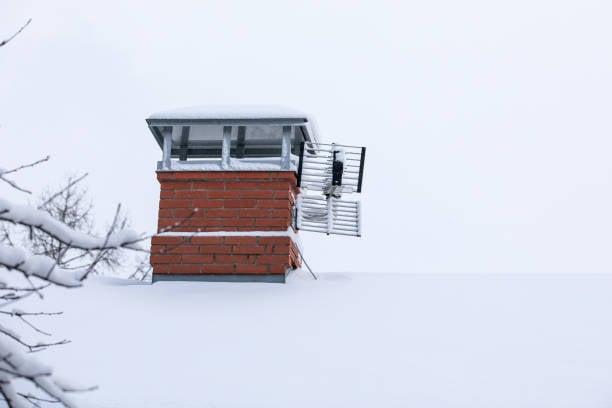
Winter in the United States is a time for cozy fireplaces and warm homes. But if your chimney is not ready, cold weather and snow can cause serious problems. A chimney that is fine in the fall can start to show damage once snow, ice, and freezing temperatures arrive. In this guide, we will cover the essential winter chimney masonry repairs you should do before the first snow covers your home. This guide is written for small to medium-sized business owners, property managers, local business owners, and anyone responsible for maintaining a property. The tips apply across the United States, including Mashpee. Why Checking Your Chimney Before Winter Is Important Before discussing repairs, it is important to understand why early action matters. Chimney masonry faces constant exposure to weather, such as moisture from rain and snow, freezing and thawing cycles, and wind-driven water. Water is the biggest enemy of a chimney. When it seeps into cracks and freezes, it expands, which can widen cracks and loosen bricks. Ignoring this damage can lead to expensive repairs and safety issues. The good news is that timely chimney masonry repair before winter can save money, improve safety, and increase the life of your chimney. Key Inspections to Do Before Snow Professional Chimney Inspection A certified chimney technician can identify hidden problems that you might miss. They will check the flue liner for cracks, inspect for loose or missing bricks, evaluate the mortar condition, and ensure the chimney is structurally sound. An annual inspection, especially before winter, is one of the best ways to avoid major repairs. Chimney Cleaning Creosote is a black, flammable substance that builds up inside the chimney when you burn wood. It can cause fires and reduce airflow. A professional chimney sweep removes this buildup, which keeps your fireplace safer and more efficient. Cleaning should be done at least once a year, ideally before heavy winter use. Repair Cracks and Loose Mortar Even small cracks in bricks or mortar can cause big problems because water can enter and freeze inside. Over time, this will expand and cause more damage. Brick and chimney repair, especially tuckpointing, helps restore the strength of your chimney. A professional removes loose mortar and replaces it with new material that seals the chimney, keeping it durable for years. Chimney Cap Inspection A chimney cap is an important feature that protects your chimney from rain, snow, and animals. It also keeps debris out and reduces moisture inside the chimney. If you already have a chimney cap, check for rust or damage. If you don’t have one, installing it can prevent many future problems. Flashing and Crown Repair The flashing is the metal around the base of the chimney where it meets the roof. The crown is the concrete top of the chimney that directs water away. Damaged flashing can cause roof leaks, and a cracked crown allows moisture to seep inside the chimney. Fixing these issues before winter is much easier than waiting until snow and ice arrive. Waterproofing Chimney Once repairs are complete, applying a breathable sealant to the outside of the chimney is very important. This process, known as waterproofing the chimney, prevents moisture from entering the masonry while allowing trapped water vapor to escape. Only breathable sealants should be used to avoid trapping moisture, which can cause more damage during freezing conditions. Damper Check The damper controls airflow in your chimney. Make sure it opens and closes smoothly. If it sticks, it should be repaired or replaced. A working damper keeps warm air inside your home and prevents cold drafts when the fireplace is not in use. Safety Benefits of Winter Chimney Repairs Chimney maintenance is often overlooked until problems become expensive. Regular repairs and inspections help improve fireplace efficiency, reduce fire risk, prevent carbon monoxide buildup, and extend the life of your chimney. Taking action before winter ensures your chimney works safely and efficiently all season long. Checklist of Winter Chimney Masonry Repairs Here are the most important steps to prepare your chimney for winter: Completing these steps will protect your home and reduce the risk of costly winter damage. Conclusion Are you confident your chimney is ready for snow, ice, and freezing temperatures? Winter chimney masonry repairs are not optional. Taking steps now will protect your property, safety, and comfort during the cold months. From professional inspections to brick and chimney repair and waterproofing, acting early reduces emergencies and saves money. For help with any of these repairs, Diamond Touch Masonry provides expert care, including reliable chimney waterproofing services to protect your home all winter. FAQs About Winter Chimney Repairs How soon should I schedule chimney repairs before the snow? Late fall or early autumn is the best time to schedule repairs. Materials such as mortar and sealants cure better in mild weather, giving long-lasting results. Can I repair my chimney during winter? Emergency repairs can be done, but major structural repairs are best performed in warmer months when conditions are suitable for proper curing. What happens if I ignore chimney problems? Ignoring small issues can lead to structural failure, water damage inside the home, fire hazards, and higher repair costs. Do all chimneys need sealants? Yes, especially in areas with freezing temperatures. Proper sealants help prevent water damage and keep your chimney strong.
What Are the Most Common Chimney Masonry Issues Found During Inspections?
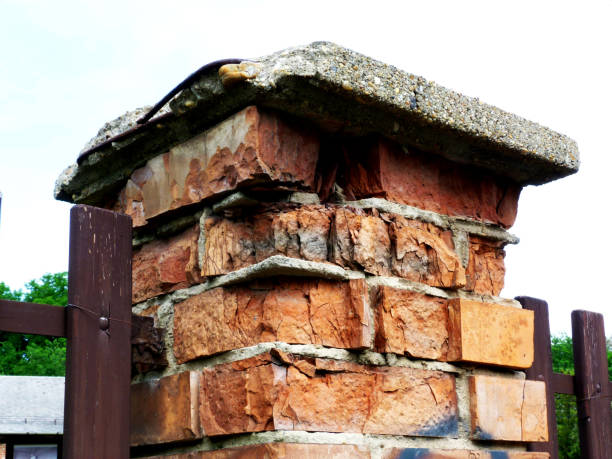
If you manage a property or own a local business in the United States, taking care of your chimney may not seem like a big deal until a serious issue appears. A chimney is not just a stack of bricks; it plays a major role in keeping your building safe and efficient. When the masonry starts breaking down, it can lead to water leaks, smoke problems, or even safety risks that cost a lot to fix. This guide will help you understand the most common chimney masonry problems found during inspections, what they mean, and how to handle them before they become expensive repairs. Why Chimney Masonry Is So Important The masonry part of your chimney protects your building from heat, smoke, and water. It keeps the structure strong and prevents fire or moisture from spreading into your property. When cracks, loose bricks, or worn mortar start showing up, it can lead to serious trouble for your building and business. A small crack or missing brick may not seem like much at first, but over time it can cause structural weakness or leaks that spread into walls and ceilings. Fixing small problems quickly is much cheaper than rebuilding a damaged chimney later. What an Inspection Usually Covers When a professional technician checks your chimney, they look at several areas carefully. An inspection often includes: • Checking the interior flue and chimney liner to see if they are cracked or blocked• Examining the outer bricks and mortar joints for any damage or loose sections• Looking for signs of water damage or moisture buildup inside or outside the chimney• Checking for movement, tilting, or separation from nearby walls• Reviewing the chimney cap, crown, and flashing to ensure no leaks or gaps are present• Recommending chimney waterproofing services if moisture is found These steps help the inspector find both visible and hidden problems that could get worse if ignored. Cracked or Weak Mortar Joints This is one of the most common issues seen during chimney inspections. The mortar is what holds the bricks together, and over time it starts to wear away. Why this happens Mortar can break down from harsh weather, age, or poor construction. Rainwater can seep into tiny gaps, freeze, and make the cracks bigger every year. What you might notice You may see loose or missing mortar, bricks that move slightly when touched, or white powdery marks called efflorescence. These signs show that moisture is already affecting the masonry. How it affects you If the mortar joints weaken, water and cold air can get inside. That leads to interior wall damage, leaks, or even chimney collapse if left for years. What you can do Ask your contractor about repointing, which means removing the old mortar and applying new material. If large areas are damaged, they might recommend a full brick chimney repair to restore strength. Damaged or Flaking Bricks Sometimes, the problem isn’t the mortar but the bricks themselves. Bricks that start to chip, peel, or crumble are called spalling bricks. Why this happens Water and freezing temperatures are the usual reasons. Poor-quality bricks or those not suited for outdoor weather can also weaken faster. How you can tell You might see small pieces of brick on the ground or notice areas where the brick surface is peeling away. Some bricks may even look hollow or cracked. Why this matters Spalling can lead to gaps that let water and smoke pass through. It weakens the chimney’s outer layer and makes it unsafe, especially during high winds or heavy rain. Repair advice Replace the damaged bricks with ones that match your existing structure. Make sure to fix any leaks near the crown or flashing first so the new bricks last longer. It is also a good idea to add chimney waterproofing services afterward to stop water from entering again. Cracks or Openings in the Crown and Cap The top part of your chimney, called the crown or cap, keeps water out. It often develops cracks or holes that let rain and snow in. Why it breaks The crown is exposed to sun, wind, and freezing temperatures year-round. Over time, this causes small cracks that expand when moisture freezes inside them. What you’ll notice You may see small holes, stains under the cap, or missing metal covers. Sometimes birds or debris can even get inside if the cap is gone. What can happen Once water enters through the crown, it can travel down inside the chimney and cause widespread damage. It can also rust the damper or stain interior walls. What to do next Have a professional repair any cracks and install a durable cap that fits tightly. A new waterproof coating can also protect the crown from further damage. Chimney Leaning or Tilting If your chimney appears slightly slanted, that’s not something to ignore. Leaning usually means there’s a problem with the foundation or the bricks are shifting. Common causes The ground beneath the chimney may have settled unevenly, or the structure may have loosened from the roof over time. High winds or storms can also push the chimney off balance. What you’ll see The chimney might look tilted or separated from the side of the building. Cracks may appear at the base or along the roofline. Why this matters A leaning chimney can collapse, especially during bad weather. It can also damage nearby walls or roofs and lead to major safety issues. How to fix it A structural engineer can assess the problem. Depending on how severe it is, they might brace the chimney, rebuild the leaning part, or replace it completely. Moisture and Water Damage Water is the main reason chimneys deteriorate. When moisture gets in through cracks or missing caps, it damages both the inside and outside masonry. Where water comes from Leaky caps, missing flashing, or open mortar joints are the most common entry points. Condensation from hot flue gases can also cause dampness inside the chimney. What you’ll notice White stains on bricks, soft