
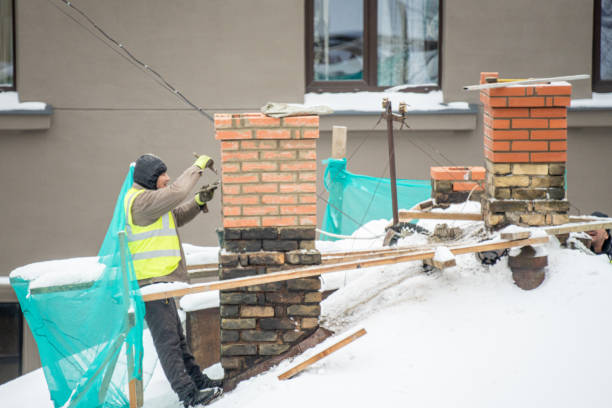
A chimney may look strong and solid from the outside, but its strength depends on many small parts working together. Bricks, mortar joints, flashing, and the chimney crown all play an important role in keeping the structure stable. Over time, rain, snow, heat, and freezing temperatures slowly affect these materials. When tiny cracks appear, water can enter the structure. This is when many property owners begin noticing problems that require chimney masonry repair.
Preventing damage early can save a lot of money and effort. Many chimneys in the United States develop serious problems simply because regular maintenance is ignored. The good news is that a few simple actions can greatly reduce the chances of needing major chimney masonry repair later.
This guide explains how chimney damage starts, how to identify early warning signs, and what steps property owners can take to protect their chimney for many years.
Why Chimney Masonry Damage Happens
Chimneys face harsh weather throughout the year. Brick and mortar are strong materials, but they can absorb small amounts of moisture. When water enters these materials and temperatures drop below freezing, the water expands and causes cracks.
When this cycle happens again and again, mortar joints begin to weaken and break apart. As a result, bricks may shift or loosen. At this stage, professional chimney masonry repair becomes necessary to restore the chimney.
There are several common reasons why chimneys develop structural damage.
Rain and snow that constantly fall on the chimney surface slowly wear down the mortar.
Older chimneys may contain mortar that has already reached the end of its life.
Missing chimney caps allow water and debris to enter the structure.
Poor flashing installation may allow water to enter where the chimney meets the roof.
Frequent heating and cooling inside the chimney can also create stress on the masonry.
Many building owners notice these problems only after pieces of mortar fall or cracks become visible. By that time, the chimney often needs detailed chimney masonry repair.
Early Warning Signs of Chimney Damage
Chimneys usually show signs before serious structural damage occurs. Paying attention to these early signals can help property owners act quickly.
Here are some warning signs that often indicate the need for chimney masonry repair.
- Cracks appearing in mortar joints
- Loose or missing bricks
- White powder is forming on the surface of the bricks
- Water stains near the fireplace area
- Rust around the damper or fireplace components
- Pieces of mortar were found near the base of the chimney
These signs usually mean that moisture has entered the masonry system. If repairs are delayed, the damage may spread deeper into the chimney walls. In many situations, simple chimney masonry repair performed early can stop the damage and prevent expensive rebuilding.
Schedule Regular Chimney Inspections
Routine inspections are one of the most effective ways to protect a chimney. Many professionals recommend inspecting chimneys once every year, especially if the fireplace is used often.
During an inspection, a technician carefully checks the entire chimney structure.
They examine the condition of bricks and mortar joints.
They inspect the chimney crown to make sure it is not cracked.
They review the flashing where the chimney meets the roof.
They check the inside of the chimney and the flue liner.
They look for signs of moisture damage.
These inspections help identify small issues before they turn into larger problems. When minor cracks are found early, simple chimney masonry repair can restore the structure quickly.
The Chimney Safety Institute of America also explains that annual inspections reduce structural risks and help prevent chimney fires.
Keep Water Away from Your Chimney
Water is the most common reason chimneys become damaged. When moisture enters brick and mortar, it slowly weakens the structure. During winter, freezing temperatures make the problem worse because trapped water expands.
Several protective steps can help keep water away from your chimney.
Install a Chimney Cap
A chimney cap covers the opening at the top of the flue. It prevents rainwater from falling directly into the chimney and also stops animals or debris from entering.
Without a chimney cap, water can reach the interior masonry and increase the chances of needing chimney masonry repair.
Repair the Chimney Crown
The chimney crown is the top surface that protects the structure from rain. If the crown develops cracks, water can move quickly into the bricks below.
Repairing the crown at the right time can prevent major chimney masonry repair in the future.
Apply a Waterproof Coating
Waterproof sealants allow masonry to breathe while reducing moisture absorption. This protective layer helps keep bricks dry and reduces the risk of cracking.
Maintain the Mortar Joints
Mortar joints hold bricks together and keep the chimney stable. Over time, mortar naturally begins to weaken and crumble.
When this happens, professionals perform a repair process called tuckpointing. During this process, damaged mortar is removed and replaced with fresh mortar that restores strength to the structure.
Tuckpointing is one of the most common types of chimney masonry repair, and it can greatly extend the life of a chimney.
This type of repair improves structural stability and helps prevent water from entering the masonry. It also costs much less than rebuilding an entire chimney.
Ignoring damaged mortar often allows the problem to spread and leads to larger chimney masonry repair projects later.
Ensure Proper Flashing Around the Roof
Flashing is the metal barrier placed where the chimney connects with the roof. Its job is to keep rainwater from entering the space between the chimney and roofing materials.
If flashing becomes loose, damaged, or rusted, water may begin leaking into the structure. This moisture can affect both the roof and the chimney walls.
Some signs of flashing problems include water stains in the attic or near the fireplace and rust visible around the chimney base.
Repairing flashing early can prevent expensive chimney masonry repair in the future.
Use Quality Materials for Chimney Repairs
Not all masonry materials perform the same way. Older chimneys often require specific types of mortar that match the original construction.
Using incorrect mortar mixtures can damage bricks and shorten the life of the repair. Skilled professionals carefully match materials when performing chimney masonry repair to ensure long lasting results.
A quality repair usually includes selecting durable bricks, matching the original mortar composition, applying waterproof protection, and reinforcing weak sections of the structure.
In some restoration projects, contractors also improve the appearance of the chimney by adding design upgrades such as stone veneer installation, which provides both protection and visual appeal.
Keep the Chimney Clean
Chimney cleaning is another important part of maintenance. Creosote and soot can build up inside the chimney over time. This buildup can trap moisture and increase the risk of masonry damage.
Regular cleaning keeps airflow steady and allows professionals to notice cracks or loose mortar inside the chimney.
If small structural problems are discovered during cleaning, they can be fixed quickly through chimney masonry repair before the damage spreads.
Most experts recommend cleaning chimneys once every year, especially in buildings that frequently use fireplaces.
Protect the Chimney from Temperature Stress
Chimneys experience large temperature changes. The inside of the chimney becomes very hot when the fireplace is used, while the outside may remain cold during winter.
This constant heating and cooling causes materials to expand and contract. Over time, the stress may create cracks in mortar joints.
Repairing these cracks early through chimney masonry repair helps prevent larger structural damage.
Using properly sized chimney liners and maintaining the fireplace regularly can also reduce stress on the masonry structure.
When Should You Contact a Professional Chimney Repair Service
Some minor maintenance tasks can be handled by property owners, but structural repairs should always be done by trained professionals.
You should contact a chimney repair service if you notice large cracks in bricks, sections of loose masonry, water entering the fireplace area, or serious mortar deterioration.
Experienced professionals can inspect the chimney carefully and recommend the right chimney masonry repair method for the problem.
Professional repairs ensure the chimney remains safe, stable, and able to handle weather conditions.
Simple Maintenance Checklist for Property Owners
Property owners can follow a simple routine to keep their chimney in good condition.
Each month, take a quick look at the chimney to see if any cracks or loose bricks are visible. Also check the area near the fireplace for signs of water stains.
During seasonal changes, remove debris from chimney caps and check that the crown and flashing are still secure.
Once every year, schedule a professional inspection and cleaning. This helps identify problems early and allows technicians to perform small chimney masonry repair tasks before damage becomes severe.
Regular care and attention can greatly extend the life of a chimney and reduce the need for expensive repairs.
Conclusion
Are you taking the right steps to protect your chimney from future damage? Many building owners only focus on repairs when major cracks or leaks appear. At that stage, the chimney often requires extensive restoration. By scheduling regular inspections, controlling moisture, and fixing small issues early, property owners can protect their chimneys and avoid expensive repairs.
Working with experienced professionals also makes a big difference. Diamond Touch Masonry is known for delivering reliable and expert masonry services, including inspections, restoration work, and professional chimney masonry repair for both residential and commercial properties. Their experienced team understands how weather and structural stress affect chimneys across the United States.
If you want to protect your chimney and prevent future structural damage, professional support can help you maintain a strong and safe chimney system for many years.
Contact US to schedule your consultation and keep your chimney in excellent condition.
Frequently Asked Questions
How often should a chimney be inspected?
Most professionals recommend inspecting chimneys once every year. Regular inspections help identify small problems that may require chimney masonry repair before they become serious.
What is the most common reason chimneys become damaged?
Moisture is the leading cause of chimney damage. Water entering cracks in the masonry slowly weakens the structure and often leads to chimney masonry repair.
Are small cracks in bricks a serious problem?
Even small cracks should not be ignored. Cold weather can expand these cracks and create larger structural issues that require professional chimney masonry repair.
How long does chimney masonry repair usually last?
When repairs are completed correctly using proper materials, they can last many years, especially when regular maintenance is performed.
Should waterproofing be applied after repairs?
Yes. Waterproof coatings help protect the chimney from moisture and reduce the chances of needing additional chimney masonry repair in the future.