
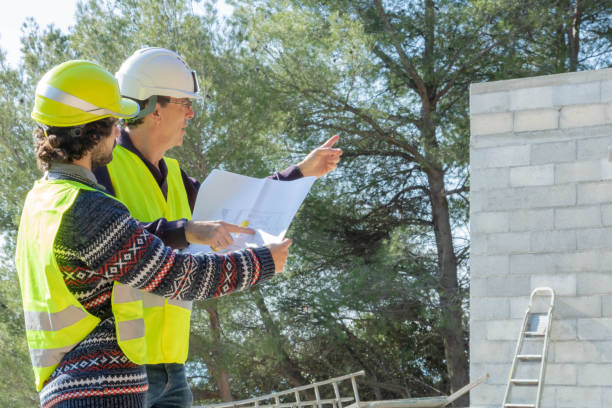
Hiring a contractor for stonework, brick repair, chimney repair, a new patio, or a retaining wall is a big decision. Masonry work is meant to last for many years. When the work is done correctly, it can improve the appearance, safety, and value of a property. When it is done poorly, cracks, loose stones, water problems, and costly repairs may appear sooner than expected.
Property owners on Cape Cod need to be especially careful when hiring a masonry contractor. Local weather conditions can be hard on brick, stone, concrete, and mortar. Salt air, rain, moisture, cold winters, and changes in temperature can slowly damage outdoor masonry.
The soil conditions on Cape Cod can also affect patios, walkways, walls, and outdoor steps. If the base is not prepared correctly, the finished surface may move, sink, or become uneven.
Whether you own a home, office, restaurant, retail store, rental property, or another commercial building, your choice of contractor matters. The contractor can affect the final cost, construction schedule, appearance, safety, and future maintenance needs of your property.
This guide explains how to choose masonry contractor services on Cape Cod and what questions you should ask before signing a contract.
Why Local Masonry Experience Matters on Cape Cod
Masonry work includes construction and repair projects that use brick, natural stone, concrete blocks, mortar, and similar materials. These materials are strong, but the quality of installation has a major effect on how long the finished work will last.
Cape Cod properties face conditions that are different from properties in many inland areas. Wind driven rain, coastal moisture, changing temperatures, and cold weather can affect masonry surfaces over time.
A contractor working in the area should understand how water moves around a property. They should also know how to prepare the base under patios, walkways, steps, and walls.
Local experience is useful because a contractor who regularly works on Cape Cod has probably seen common masonry problems in the area. They may have repaired cracked mortar joints, sinking patios, damaged steps, chimney problems, and retaining walls affected by poor drainage.
When speaking with a contractor, ask where they have recently completed projects. A Cape Cod mason who has worked in Mashpee, Falmouth, Barnstable, Sandwich, Bourne, and nearby areas should be able to discuss local projects and common property conditions.
Local knowledge is also helpful for commercial properties. Restaurants, offices, shops, hotels, and other businesses may need construction work planned around operating hours, customer access, parking, and delivery schedules.
A contractor with local commercial experience may be better prepared to organize the project without causing unnecessary disruption to daily business activities.
Start by Understanding the Masonry Work You Need
Before contacting several contractors, write down exactly what you need.
You do not need to understand every technical part of masonry construction. However, you should have a basic description of the problem or the project you want to complete.
Common masonry projects on Cape Cod include:
- Chimney repair and repointing
- Brick replacement and restoration
- Natural stone installation
- Stone veneer installation
- Patio construction and repair
- Walkway installation
- Outdoor step construction and repair
- Retaining wall construction
- Fire pit installation
- Outdoor fireplace construction
- Foundation masonry repair
- Commercial entrance repairs
- Concrete and masonry restoration
A clear project description makes it easier to compare contractor estimates. One contractor may recommend a complete rebuild, while another may recommend a smaller repair. Their prices could be very different because they are offering different solutions.
For example, a cracked masonry wall may not simply need fresh mortar. Water may be collecting behind the wall. The soil below the wall may have moved. Poor drainage could also be putting pressure on the structure.
Ask each contractor to explain what caused the damage before asking how they plan to repair it.
If you are looking for masonry repair services Mashpee, MA, ask whether the contractor has repaired similar problems on nearby properties. Experience with similar buildings and local conditions can help the contractor recommend a suitable repair method.
Check Massachusetts Registration Requirements
Do not hire someone only because their truck looks good or their social media page has attractive photos.
Massachusetts has requirements for many types of residential improvement work. Depending on the type and size of your project, contractor registration rules may apply.
Before hiring anyone, ask for basic business and project information.
You should request:
- The full business name
- A business address
- Applicable contractor registration information
- Applicable license information
- Proof of liability insurance
- Workers compensation information when required
- Written warranty details
- Information about subcontractors
- Details about permits when permits are needed
Paperwork alone does not prove that someone is a skilled mason. However, a contractor who refuses to provide basic business details should be treated with caution.
Massachusetts also has written contract requirements for many covered home improvement projects. Property owners should review the current state requirements that apply to their specific project before signing an agreement.
A proper contract protects both the property owner and the contractor. It clearly explains the work, price, payment terms, schedule, and responsibilities of each party.
Ask to See Projects Similar to Your Own
A large photo gallery may look impressive, but you need to see work that matches your project.
If you need chimney repointing, photos of new patios will not tell you much about the contractor’s chimney repair skills. If you need a natural stone retaining wall, photos of concrete walkways may not provide the information you need.
Ask the contractor to show you two or three recent projects that are similar in size, material, and purpose.
You can ask simple questions such as:
- How old is this project?
- What type of stone or brick was used?
- Who completed the actual installation?
- What work was completed below the visible surface?
- Were there any drainage problems at the property?
- How long did the project take?
These questions can tell you more than simply asking how many years the contractor has been in business.
An experienced Cape Cod mason should be able to explain the project in clear language. You should understand what will be removed, repaired, rebuilt, or installed before the work begins.
If the explanation is too confusing, ask more questions. A contractor should be willing to explain the work without making the conversation unnecessarily complicated.
Compare Detailed Written Estimates
Price is important, but it should not be the only reason for choosing a contractor. A low estimate may look attractive at first. However, it may not include the same preparation work, materials, cleanup, drainage improvements, or warranty as another estimate. Try to get written estimates from at least two or three contractors. Make sure each contractor has inspected the property and understands the same project requirements. When reviewing an estimate, check what demolition work is included. Ask what old material will be removed and who will take the debris away. Check the site preparation details. Patio, walkway, wall, and step projects often depend on proper preparation below the finished surface. Ask what materials will be used. The estimate should clearly identify the type of brick, stone, block, concrete product, or other material when possible. For repair work, ask about the mortar. The contractor should use a mortar that is suitable for the existing masonry and the type of repair being completed. Drainage should also be discussed. Water problems can damage masonry and may cause the same issue to return after a repair. The estimate should also explain labor, cleanup, expected starting time, expected completion time, payment stages, and warranty information. For commercial properties, ask how the contractor will manage customer access, employee entrances, parking areas, deliveries, noise, dust, and daily cleanup. A higher estimate is not always a bad choice. It may include more preparation, better materials, drainage improvements, or a more complete scope of work.
Ask How Water and Drainage Will Be Managed
Water causes many masonry problems. A patio can sink because the ground below it was not prepared correctly. Outdoor steps can move when water collects around the base. Mortar joints can break down after years of moisture exposure and seasonal temperature changes. Before hiring a contractor, ask how rainwater will move around the finished project. For a patio or walkway, ask about the slope of the surface. Water should not collect in large pools or move toward the building. For a retaining wall, ask how water behind the wall will be managed. Water pressure can place stress on a wall if proper drainage is not included. For chimney work, ask whether the contractor has checked the condition of the crown, cap, mortar joints, and other areas connected with water entry. A contractor should not promise that every masonry crack can be solved by simply adding new mortar. The reason for the crack matters. If the cause is ignored, the crack may return even after the surface looks repaired.
Check References and Ask Specific Questions
Customer references can help you learn what it is actually like to work with a contractor.
However, asking only whether a customer was happy may not give you enough information.
Ask more specific questions.
You can ask whether the project started close to the promised date. Find out if there were unexpected charges and whether those charges were explained before the additional work started.
Ask whether the work area was kept reasonably clean. Find out if the contractor answered questions and provided updates when the schedule changed.
For older projects, ask whether cracks, loose joints, sinking areas, or drainage problems have appeared since the work was completed.
One of the most useful questions is simple:
Would you hire the same contractor again?
Whenever possible, speak with customers whose projects were completed at least one or two years ago. New masonry often looks attractive when it is first completed. Time gives you a better idea of the quality of base preparation, drainage, mortar work, and installation.
Business owners should also ask for commercial references. Residential and commercial projects can have different scheduling and access requirements.
A contractor may be good at building residential patios but have little experience working around customers, employees, tenants, delivery vehicles, and busy entrances.
Pay Attention to Communication Before Work Begins
The estimate process gives you an early idea of how a contractor communicates. Pay attention to whether the contractor arrives when promised. Notice whether calls and messages are returned within a reasonable amount of time. A good contractor should answer questions clearly and provide written details when needed. They should explain possible changes to the project scope and tell you how additional costs will be approved. Construction schedules can change because of weather, material availability, site conditions, or other problems. This can happen even on a carefully planned project. What matters is how the contractor communicates when a change occurs. For business owners and property managers, communication is especially important. A delay can affect customer parking, building access, deliveries, outdoor seating, tenant movement, or scheduled events. Choose a contractor who understands that communication is part of the job.
Be Careful With Large Upfront Payment Requests
A payment schedule should make sense for the size of the project and the materials required. Before making any payment, read the contract carefully. The agreement should clearly state the full project price, deposit amount, payment stages, and the work that must be completed before each payment is due. It should also explain how additional work will be approved and when the final payment is expected. Do not depend on verbal promises for changes that affect the price. If additional damage is found during the project, ask for a written explanation of the new work and its cost before approving it. Massachusetts has consumer protection rules for covered home improvement contracts. Property owners should review current state requirements and understand the payment rules that apply to their project. A contractor should be willing to explain the payment schedule clearly before work begins.
Understand How Landscaping and Masonry Work Together
Many outdoor projects include both masonry and landscaping work. A new walkway may require changes to the surrounding ground level. A patio project may affect planting areas, lawn sections, drainage routes, and irrigation lines. A retaining wall can also change how water moves across a property. Property owners comparing masonry work with sod installation services Mashpee, MA should plan the order of each project carefully. Heavy equipment, stone deliveries, concrete work, and excavation can damage newly installed grass. In many cases, the masonry work should be completed before the final lawn work begins. Excavation, construction, grading, debris removal, and major cleanup should usually happen before new grass is installed. If your project involves masonry and sod installation services Mashpee, MA, ask each contractor to clearly explain their responsibilities. One contractor may handle final grading while another only works on the masonry. Clear responsibilities can prevent disagreements about soil preparation, damaged grass, drainage, and cleanup. Planning both parts of the property improvement project at the same time can also reduce repeated work.
Watch for Common Contractor Warning Signs
One small problem does not always mean a contractor will do poor work. However, several warning signs together should make you more careful. Be cautious if a contractor refuses to provide a written estimate. You should also be careful if the contractor cannot explain how the repair will be completed or why a certain method is being recommended. A request for full payment before work begins is another reason to ask more questions. Other warning signs include having no recent references, avoiding questions about insurance, giving a price without properly inspecting the property, and using pressure to get an immediate decision. You should also ask questions if the contractor will not identify the materials they plan to use. A very low estimate with almost no project details may not include all the work needed for a lasting result. If permits are required, make sure you understand who is responsible for obtaining them and why. Take enough time to read the agreement. Keep copies of estimates, contracts, payment records, emails, and written project changes.
Questions to Ask a Cape Cod Mason Before Hiring
A short conversation can prevent many problems later.
Before making your final choice, ask these questions:
- How many similar projects have you completed on Cape Cod?
- Who will supervise the work each day?
- Will your employees or subcontractors complete the project?
- What type of base preparation does my project need?
- How will drainage be handled?
- What materials and mortar will you use?
- What situations could change the final price?
- Who will handle permits if they are required?
- What does the labor warranty cover?
- How will you protect the rest of my property during construction?
- What is the expected starting date?
- How long should the project take?
- Can I speak with customers who had similar work completed?
The contractor’s answers should be clear enough for a property owner to understand.
You should not need construction experience to understand the basic plan for your own project.
How Should Businesses Choose a Masonry Contractor?
Commercial property owners often have concerns that are different from residential property owners. A retail store may need to keep its main entrance open during construction. A restaurant may need patio repairs finished before its busy season. An office building may need noisy work completed outside normal business hours. Before hiring a contractor, discuss how public access will be managed. Ask how customers, employees, and delivery workers will move around the construction area safely. Talk about work area barriers, parking restrictions, noise, delivery access, daily cleanup, and schedule changes. For a business, the construction schedule can have a direct effect on daily operations. A contractor with commercial project experience should understand these concerns and be willing to discuss them before work starts. The contractor should also provide a clear contact person for project updates. Property managers and business owners need to know who to call if access, timing, or site conditions change. Good planning can help reduce business disruption while still allowing the masonry work to be completed correctly.
Conclusion
Are you ready to hire a masonry contractor who understands the needs of Cape Cod properties?
Choosing the right contractor requires more than comparing prices. Review written estimates carefully, check applicable registration requirements, ask to see similar completed projects, and speak with recent customers.
You should also ask direct questions about materials, base preparation, drainage, project schedules, payments, cleanup, and warranties.
Taking time to choose masonry contractor services carefully can help you avoid unclear pricing, weak repairs, poor communication, and repeated masonry problems.
Diamond Touch Masonry provides expert masonry services for property owners who want careful workmanship and clear communication throughout their projects. The company can help with masonry repairs, stonework, patios, walkways, outdoor steps, walls, and other masonry needs.
Whether you own a home, local shop, restaurant, office, rental property, or commercial building on Cape Cod, working with an experienced masonry contractor can make project planning easier.
For help with your next masonry project on Cape Cod, Contact US.
FAQs
How many masonry estimates should I get?
Getting two or three detailed estimates can help you compare prices and project plans. Make sure each contractor is pricing the same work, materials, preparation, cleanup, and related services. Do not compare only the final price. Read what is actually included in each estimate.
What should be included in a masonry estimate?
A written masonry estimate should describe the work, materials, labor, preparation, demolition, debris removal, expected schedule, payment terms, and warranty information. Larger projects usually need more detail than small repairs.
Why does Cape Cod experience matter for masonry work?
Local experience can help a contractor understand common area conditions, including moisture, drainage, coastal weather, soil conditions, and seasonal temperature changes. Ask the contractor to show examples of completed work in nearby communities.
Should I hire the cheapest masonry contractor?
Price should not be the only reason for choosing a contractor. Compare preparation methods, materials, drainage plans, labor, project scope, references, communication, and warranty terms. A lower estimate may include less work or different materials.
How long should masonry work last?
There is no single answer because every project is different. The life of masonry work depends on the materials, site preparation, water management, installation quality, weather exposure, property conditions, and maintenance.
Can a mason repair old mortar joints?
Yes, many damaged mortar joints can be repaired. However, the mason should first inspect the condition of the brick or stone. The repair method and mortar choice should suit the existing masonry.
Should masonry and landscaping work be planned together?
Yes. Masonry projects often involve excavation, heavy materials, equipment movement, grading, and cleanup. If your project also includes sod installation services Mashpee, MA, planning the correct work order can help prevent damage and repeated work.
What makes a good Cape Cod mason?
A good Cape Cod mason should have relevant local experience, clear communication, suitable business documentation, detailed estimates, and examples of similar completed projects. They should also be willing to explain materials, preparation methods, drainage plans, schedules, and warranty terms.
How can I choose masonry contractor services for a commercial property?
When you choose masonry contractor services for a commercial property, consider more than masonry skills. Ask about customer access, employee safety, parking, deliveries, noise, work hours, cleanup, and communication. The contractor should understand how construction work can affect normal business operations.