
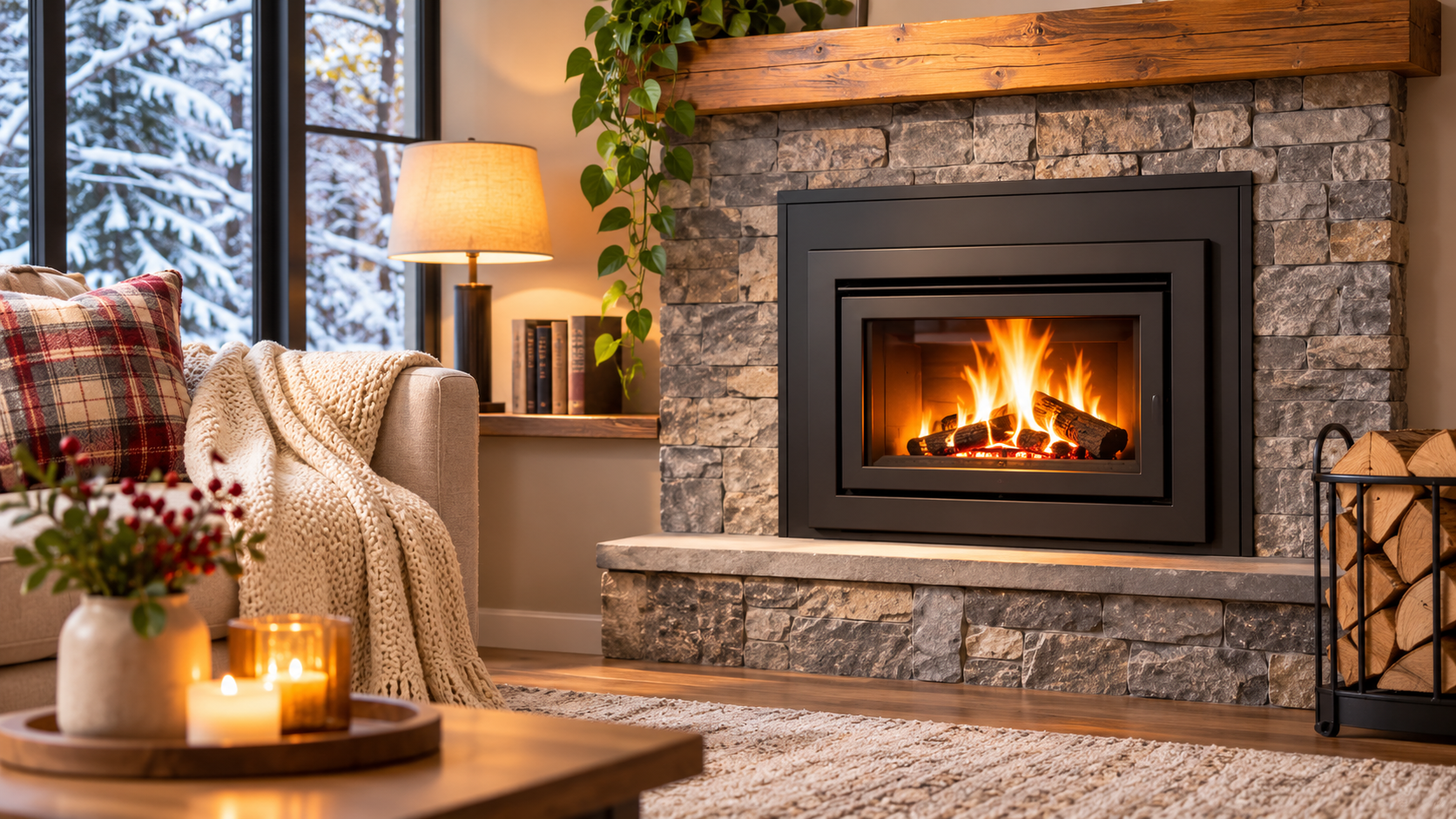
When temperatures drop, many homeowners want a fireplace that provides more than a nice view of the flames. An open fireplace can create a comfortable atmosphere, but it often sends much of its heat up the chimney. This leaves some rooms cold even when a fire is burning.
A fireplace insert offers another option. It fits inside an existing fireplace and works more like a wood stove or enclosed heating appliance. Depending on the model, it can provide better heat output, more controlled burning, and less smoke than a traditional open fireplace. The U.S. Environmental Protection Agency explains that certified wood inserts can burn cleaner and use fuel more efficiently than older wood burning appliances.
For homeowners considering fireplace installation in Pleasant Bay MA, installing an insert before winter may be a good choice. The decision depends on your heating needs, fireplace condition, fuel preference, and budget.
Why Do Homeowners Install Fireplace Inserts?
Traditional fireplaces are often built for appearance rather than home heating. An open fire sends much of its heat outside through the chimney. It can also pull warm indoor air toward the fire and out of the house.
The EPA notes that many traditional open fireplaces lose most of their heat through the chimney. This means the fire may look warm without doing much to heat the room.
A fireplace insert has a closed firebox or sealed front, depending on the model. It controls how the fire burns and helps deliver more heat into the room.
Homeowners often consider an insert for these reasons:
- Better heat output than an open fireplace
- More control over the fire
- Less smoke from suitable modern wood models
- A cleaner appearance
- Less cold air movement through the fireplace when it is not in use, depending on the installation
- A way to use an existing fireplace instead of replacing the entire structure
The amount of heat you receive depends on the appliance, room size, fuel, installation, and home insulation.
Which Type of Fireplace Insert Should You Choose?
The right insert depends on how you plan to use your fireplace. Three common options are wood, gas, and pellet inserts.
Wood Fireplace Inserts
Wood inserts appeal to homeowners who enjoy burning real logs. Modern EPA certified models can burn more cleanly than older wood burning appliances and may use less wood to produce a similar amount of heat.
You will need a supply of dry firewood, regular cleaning, and proper chimney maintenance. Wood inserts also require attention during operation.
Gas Fireplace Inserts
Gas inserts offer a simpler experience. Many models start with a switch or remote and allow users to adjust the flame without carrying wood or cleaning ash.
They can be a good choice for homeowners who want heat with less daily work. However, efficiency and heating capacity vary by model. Gas appliances need proper venting and installation by a qualified technician. The EPA recommends annual inspection for gas fireplace inserts.
Pellet Fireplace Inserts
Pellet inserts burn compressed fuel pellets. Many models use a hopper and automatic feed system, which can reduce the need to add fuel by hand as often as a wood appliance.
They still require electricity in many designs, routine cleaning, and a steady supply of pellets. Check the manufacturer’s instructions before selecting one.
Is a Fireplace Insert More Efficient Than an Open Fireplace?
In many cases, yes. An open fireplace allows heat to escape through the chimney. A properly installed insert controls combustion and directs more usable heat into the room. Modern wood inserts that meet EPA certification standards also produce less smoke than many older wood burning appliances.
Still, an insert does not automatically lower every household’s heating bill.
If you use the fireplace for only a few evenings each winter, the savings may be limited. If you regularly heat a living room or another frequently used space, the added comfort may make the investment more worthwhile.
An insert also works best when the home has reasonable insulation and air sealing. Heat can escape through poorly sealed windows, doors, and walls even when the fireplace performs well.
What Should You Check Before Installing an Insert?
Before buying an appliance, have the existing fireplace and chimney inspected.
A chimney may have cracked masonry, damaged liners, creosote buildup, loose mortar, or other issues that need attention. These problems should be addressed before installation.
The Chimney Safety Institute of America explains that chimney condition and venting must be checked when adding a new heating appliance. A poor chimney or unsuitable venting system can lead to smoke problems, carbon monoxide exposure, or chimney fires.
A qualified installer should review:
- Fireplace opening dimensions
- Chimney height and condition
- Existing liner and venting
- Required clearances from combustible materials
- Hearth and surrounding masonry
- Appliance weight and support
- Fuel availability
- Local building requirements
Factory built fireplaces need special attention. Not every insert is approved for every fireplace. The EPA advises homeowners to use an insert specifically designed and tested for a factory built unit.
How Much Does Fireplace Insert Installation Cost?
The final cost depends on the appliance and the work required around it. A basic installation may cost less when the existing fireplace and chimney are in good condition. The price can rise if the project requires a new liner, masonry repairs, gas connections, electrical work, or changes to the hearth.
Before accepting an estimate, ask whether it includes:
- The insert and required accessories
- Labor and installation
- Chimney inspection
- Liner or venting materials
- Masonry repairs
- Electrical or gas work, if needed
- Permit costs, where applicable
- Testing and operating instructions
It is also wise to compare the long term cost of fuel and maintenance. A wood insert may require firewood storage and chimney sweeping. A gas insert may have service costs and fuel charges. Pellet models need pellets and regular cleaning.
A low initial price does not always mean the lowest total cost over several winters.
Why Install a Fireplace Insert Before Winter?
Waiting until the first cold spell can make scheduling harder. Many homeowners begin looking for fireplace work around the same time, which can increase demand for installation and service appointments.
Planning in advance gives you time to inspect the chimney, compare appliance types, address repairs, and order the right unit.
It also helps avoid rushing through decisions about heating capacity, venting, or the appearance of the finished fireplace.
For homeowners in Mashpee and nearby Cape Cod communities, fall planning can be especially useful before regular cold weather arrives.
Does Your Existing Fireplace Need Repairs First?
An insert should not be used to cover up a damaged fireplace.
If the masonry is cracked, the chimney liner is damaged, or the fireplace has signs of water intrusion, repairs may be needed before installation. A damaged chimney can affect how the new appliance operates and may create safety risks.
Homeowners searching for fireplace repair in Pleasant Bay MA should arrange an inspection when they notice loose bricks, deteriorating mortar, smoke entering the room, unusual odors, or visible chimney damage.
A proper fireplace repair service can assess the condition of the existing structure and identify work that should be completed before a new insert goes in.
Repairing the fireplace first may also help prevent problems after installation.
What Does the Installation Process Usually Include?
Although every home is different, a typical project follows a few basic stages.
- Initial inspection: The installer checks the fireplace, chimney, measurements, and condition of the surrounding structure.
- Appliance selection: You choose a suitable wood, gas, or pellet insert based on heating needs and approved installation requirements.
- Preparation: The team completes necessary chimney cleaning, liner work, masonry repairs, or other changes.
- Installation: The insert is positioned and connected according to its listing and manufacturer’s instructions.
- Testing: The installer checks operation, venting, and required safety features.
- Homeowner instructions: You learn how to operate the appliance, maintain it, and recognize signs that service is needed.
The installer should explain the correct fuel, cleaning schedule, and safety precautions before you use the fireplace.
How Can You Get More Value From a Fireplace Insert?
A few habits can help your insert perform as intended. For wood models, burn dry, properly seasoned wood and follow the manufacturer’s operating instructions. Wet wood creates more smoke and wastes heat. Keep the fire within the recommended operating range.
For gas models, schedule inspections and report unusual odors, flame changes, or operating problems. Never ignore a carbon monoxide alarm.
For all inserts, keep combustible materials away from the appliance and follow the required clearances. Install and maintain carbon monoxide alarms according to local requirements and manufacturer guidance.
Conclusion
Would your home feel more comfortable this winter with a fireplace that delivers more usable heat? A fireplace insert may be a good investment if you use your existing fireplace often, want better heating performance, and are ready to handle the installation and maintenance costs. The best results come from choosing the right appliance, checking the chimney first, and having the work completed according to safety requirements.
For homeowners considering fireplace installation in Pleasant Bay MA, Diamond Touch Masonry provides expert masonry services that can help with fireplace related projects and the condition of the surrounding masonry. Planning ahead gives you time to address repairs and prepare your home before cold weather settles in.
Frequently Asked Questions
Can a fireplace insert heat an entire house?
Some inserts can provide substantial heat, but most are designed for a room or part of a home. Results depend on the model, layout, insulation, and heating system.
Can I install an insert in any existing fireplace?
No. The insert must be approved for the fireplace type and installed according to its instructions. Factory built fireplaces have specific compatibility requirements.
Is a wood insert better than a gas insert?
Neither is best for every household. Wood suits people who enjoy real fires and can manage fuel and cleaning. Gas suits homeowners who prefer easier operation. Compare heat output, costs, maintenance, and installation needs.
Should I repair my chimney before installing an insert?
Yes, if an inspection finds damage or unsafe conditions. Chimney repairs and venting work should be completed before the new appliance is used.
Is fall a good time for fireplace installation?
Fall gives homeowners time to arrange inspections, repairs, and installation before winter demand increases. Scheduling early can also reduce the pressure to make rushed decisions.