
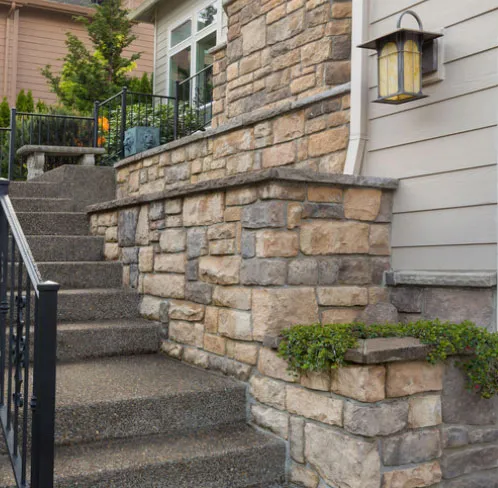
Stone surfaces bring a natural and timeless look to buildings. Many property owners in the United States like the appearance of stone because it adds character, texture, and long-lasting beauty to both homes and commercial buildings. While traditional stone construction is strong and attractive, it can also be heavy and expensive to build. Because of this, many builders and property owners choose stone veneer installation as a practical alternative.
This method allows buildings to achieve the appearance of natural stone without the structural weight of full stone walls. Thin layers of stone are placed on a prepared surface, creating the same visual impact while keeping construction simpler and more affordable. The finished result can improve the overall look of a building and make the space feel more welcoming.
For business owners, property managers, and homeowners, understanding how professionals complete this type of project can make it easier to plan renovations or hire the right contractor. Each stage of the process plays an important role in making sure the stone stays secure and continues to look attractive for many years.
What Is Stone Veneer Installation?
Stone veneer installation is the process of attaching thin pieces of stone to a prepared wall surface. Instead of building a wall entirely from heavy stone blocks, installers apply lighter stone pieces that create the same natural appearance.
These stones can be placed on a variety of surfaces, such as concrete walls, brick structures, or framed walls that are covered with cement board. Because the stone pieces are thinner and lighter than traditional stone blocks, they place less stress on the building structure.
There are two main types of stone veneer commonly used in construction. Natural stone veneer is created by cutting real stone into thin sections. Each piece has its own natural color and texture, which makes every installation unique. Manufactured stone veneer is produced from concrete materials that are molded and colored to resemble natural stone.
Both options are widely used in residential homes, office buildings, restaurants, retail stores, and outdoor landscape features throughout the United States. Property owners often choose this material because it combines the visual appeal of natural stone with more flexible installation methods.
Why Proper Installation Is Important
Professional installation is important for ensuring the stone surface remains secure and attractive for many years. Improper installation can cause several problems, such as loose stones, cracked mortar, or moisture entering the wall structure.
Experienced stone veneer contractors understand the materials and techniques required for different types of walls. They also know how temperature changes, humidity, and weather exposure can affect exterior surfaces.
When a project is installed correctly, the stone bonds strongly to the wall, water protection layers work effectively, and the finished design appears balanced and natural. This level of quality is especially important for commercial buildings where appearance and durability both matter.
Proper work also helps ensure the project follows local building codes and safety requirements. Hiring professionals can prevent future repairs and help property owners feel confident that the installation will last.
Step One: Inspecting the Wall Surface
The first stage of the project is a full inspection of the wall where the stone will be placed. Installers check the structure to make sure it can safely support the added materials.
During this inspection, they look at the type of wall construction, existing materials, and any signs of moisture damage. They also evaluate the strength of the structure and whether additional support may be needed.
This careful evaluation allows installers to determine the best preparation method before starting the project.
Step Two: Preparing the Surface
Surface preparation is one of the most important parts of the entire process. A properly prepared wall helps the mortar and stone bond securely.
If the wall is built with wood framing or drywall, installers often add cement boards or protective barriers to create a strong base. These materials provide stability and help prevent movement that could loosen the stones later.
For brick or concrete walls, preparation usually involves cleaning the surface and creating a slightly rough texture. This allows the mortar to grip the wall more effectively and improves the strength of the finished installation.
Step Three: Installing a Moisture Barrier
Exterior stone surfaces must be protected from water. Installers place a protective barrier between the wall and the stone material to prevent moisture from entering the structure.
This layer helps protect the building from rain, humidity, and potential mold growth inside the walls. Flashing is also added around windows and doors so water drains away from the wall surface.
Without this protection, water could become trapped behind the stone and cause long-term damage to the building.
Step Four: Attaching Metal Lath
When installing veneer on framed walls, professionals attach metal lath over the protective barrier. Metal lath is a thin mesh sheet that gives mortar something solid to hold onto.
The lath is secured with corrosion-resistant fasteners and slightly overlapped at the edges. This creates a stable surface that supports the mortar layer and helps keep the stone in place.
Step Five: Applying the Scratch Coat
After the metal lath is installed, a layer of mortar called the scratch coat is spread across the wall. This layer strengthens the surface and creates texture for the stone pieces.
Installers then create horizontal grooves in the mortar using a special tool. These grooves help the next layer of mortar bond more effectively.
The scratch coat usually needs about twenty-four hours to dry before the installation continues.
Step Six: Planning the Stone Layout
Before attaching the stones to the wall, installers carefully plan the layout. This step helps create a natural appearance rather than repeating patterns.
Professionals often open several boxes of stone at the same time so colors and shapes can be mixed. This technique creates a more realistic stone pattern.
Cornerstones are also selected early to ensure the edges of the wall look clean and natural.
Step Seven: Cutting and Shaping the Stones
Some stones must be trimmed to fit certain areas of the wall. Installers use masonry saws or grinders to cut stones for edges, corners, and smaller spaces.
Careful cutting allows the stones to fit closely together and helps maintain a professional appearance.
Step Eight: Applying Mortar to the Stones
Before placing each stone on the wall, mortar is spread across the back of the stone. This method is known as back buttering.
Applying mortar directly to the stone ensures strong contact between the stone and the wall surface. It also helps prevent air gaps that could weaken the bond.
Common Uses for Stone Veneer
Stone veneer is used in many residential and commercial projects throughout the United States. It works well in both interior and exterior spaces and can enhance many areas of a building.
Common uses include exterior building walls, office entrances, restaurant interiors, fireplace surrounds, and decorative landscape features. The material adds texture and depth to a structure while maintaining a natural look.
Many property owners also combine exterior wall designs with stone patio installation to create a unified outdoor space that connects walkways, seating areas, and building entrances.
When to Hire Professional Stone Veneer Contractors
Hiring experienced contractors is recommended for larger or more complex projects. Professionals have the tools and knowledge required to complete installations safely and efficiently.
This is especially important for large commercial walls, multi-story buildings, uneven surfaces, or projects that must follow strict building codes. Skilled installers can also ensure the design remains balanced and visually appealing.
Professional contractors often provide warranties and quality guarantees that give property owners additional confidence in the finished work.
Maintenance Tips
Regular maintenance can keep the stone surface looking attractive for many years. Property owners should inspect mortar joints annually to ensure there are no cracks or gaps.
Cleaning the stone occasionally with mild soap and water helps remove dirt and maintain its natural appearance. High-pressure washing should be avoided because strong water pressure can damage mortar joints.
In some cases, installers may recommend applying a protective sealant to help guard the stone against moisture and stains.
Conclusion
Are you thinking about improving your building with the look of natural stone, but are unsure where to begin? A professionally completed stone veneer installation can transform both residential and commercial properties while keeping construction lighter and more affordable than full stone walls.
Working with experienced stone veneer contractors ensures the project is completed with proper preparation, strong bonding, and careful design.
For property owners in Mashpee and surrounding areas, Diamond Touch Masonry is known for delivering reliable and professional expert masonry services with attention to quality and detail.
If you are planning to upgrade your property with stone features, the right professionals can help make the project smooth and successful.
Contact US to discuss your project and explore professional masonry solutions for your property.
Frequently Asked Questions
How long does a stone veneer surface last
When installed correctly, it can last thirty to fifty years or longer with proper maintenance.
Can it be installed over brick?
Yes, it can often be placed over brick or concrete once the surface is cleaned and prepared.
Is it suitable for commercial buildings?
Yes. Many offices, restaurants, and retail buildings use this material for its natural appearance.
Does it require sealing?
Some stone types benefit from sealing to protect against moisture and stains.
What is the average cost?
In the United States, the cost typically ranges between fifteen and thirty dollars per square foot.